

|
Getting your Trinity Audio player ready...
|
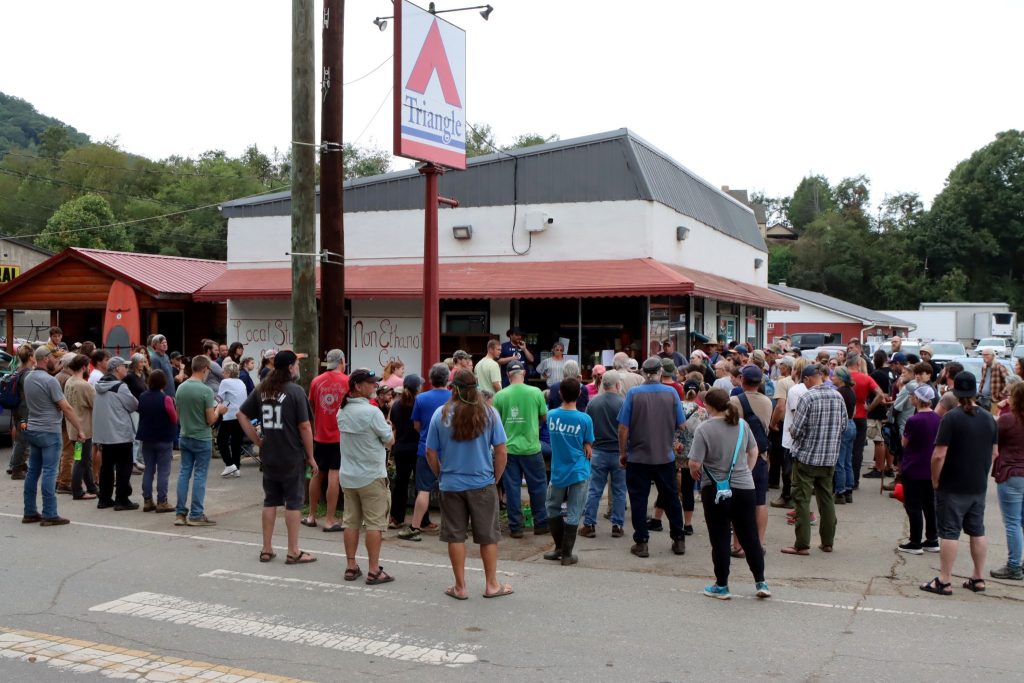
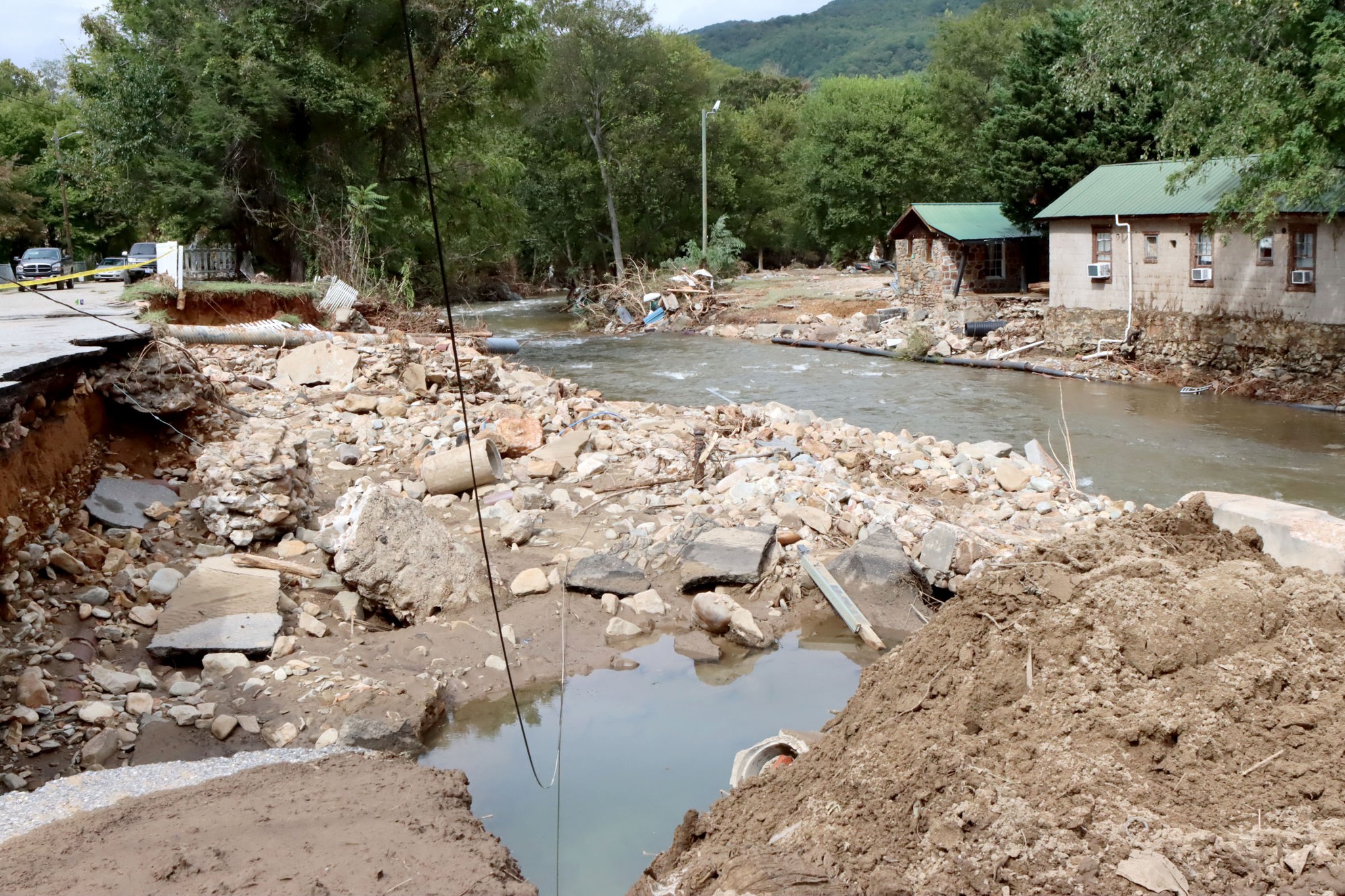
After the devastation left by Storm Helene, communities in Western North Carolina are facing an uphill battle to recover. Many areas, including Barnardsville, Hot Springs, Spruce Pines, and the surrounding towns, have seen limited support from federal and state relief agencies. In the wake of this slow response, local volunteers like Greg Turner have taken it upon themselves to provide much-needed supplies and assistance to those in the hardest-hit areas.
I recently caught up with Greg Turner, a local Asheville business owner who shared insights about the challenges these communities face, as well as the power of his grassroots relief efforts in conjunction with other small operations making a huge impact.
He says his business, Cornerstone Gem & Materials in Asheville was hardly impacted by the storm for which he’s grateful, but his fate has allowed him to really activate his response surrounding the community he has lived in over the last fifteen years and loves so much.
Slow Government Response and Community Needs
Despite the significant damage caused by the storm, response times from larger agencies have been frustratingly slow. Greg described the situation in Barnardsville, where residents had yet to see state or federal aid arrive as of 2 PM yesterday. Though FEMA has established a headquarters in Swannanoa, many towns remain underserved. “There’s a lot of work to be done,” Greg explained. “And people here can’t afford to wait.”
According to Fox21 WHNS, almost 50 search and rescue teams have deployed more than 1,600 responders to the region over the past 10 days. Local and state emergency responders now have the assistance of approximately 1,700 North Carolina National Guard and 1,000 active-duty military personnel.
For now, the community’s most immediate needs are protective equipment, warm clothing, blankets, and cooking supplies. “We’re asking for specific items because they’re essential to help people get back on their feet,” he said. “Cooking stoves and fuel, respirators, and thick chemical gloves are vital, especially with the cleanup efforts underway.” Adding to the complexity, a PVC chemical spill has heightened health concerns, underscoring the need for heavy-duty protective gear.
Greg has setup a GoFundMe and says 100% of donations are going to those affected. He also says he has begun collecting fees directly to bypass the steep fees charged by GoFundMe, which allows him to make a bigger impact locally. To donate directly, send Greg a message and he’ll respond with how to make a difference.
Mobilizing Grassroots Aid
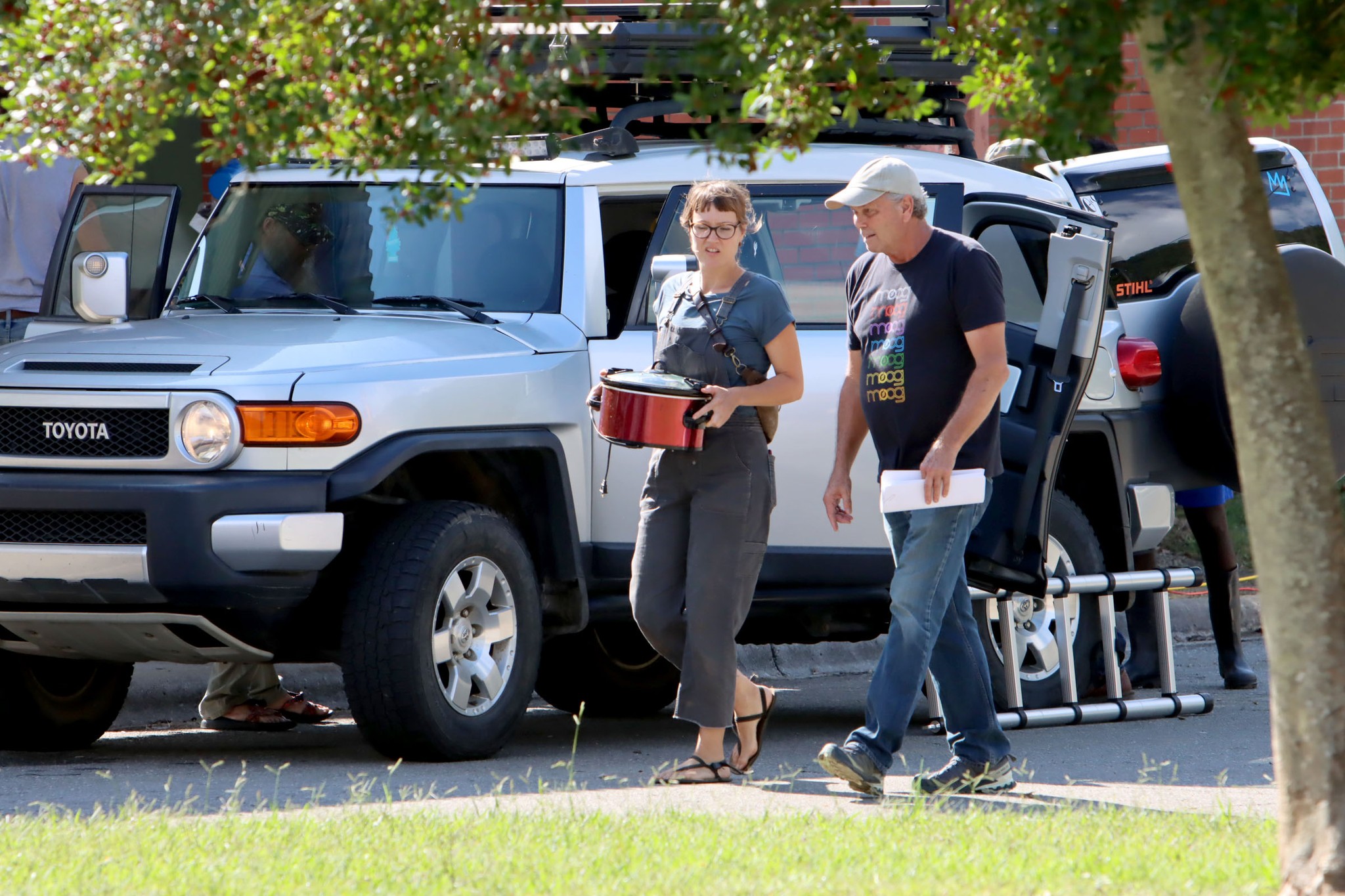
When asked how he got involved, Greg said he felt compelled to act immediately. “I just jumped into action, buying supplies and running loads into and out of these areas,” he said. His efforts have included delivering items like generators to local fire departments, one of which went to an elderly Barnardsville couple to power essential medical equipment after they followed him to see where he was taking it to. Stories like these have rallied community members around Greg’s cause, with many contributing resources, time, and donations.
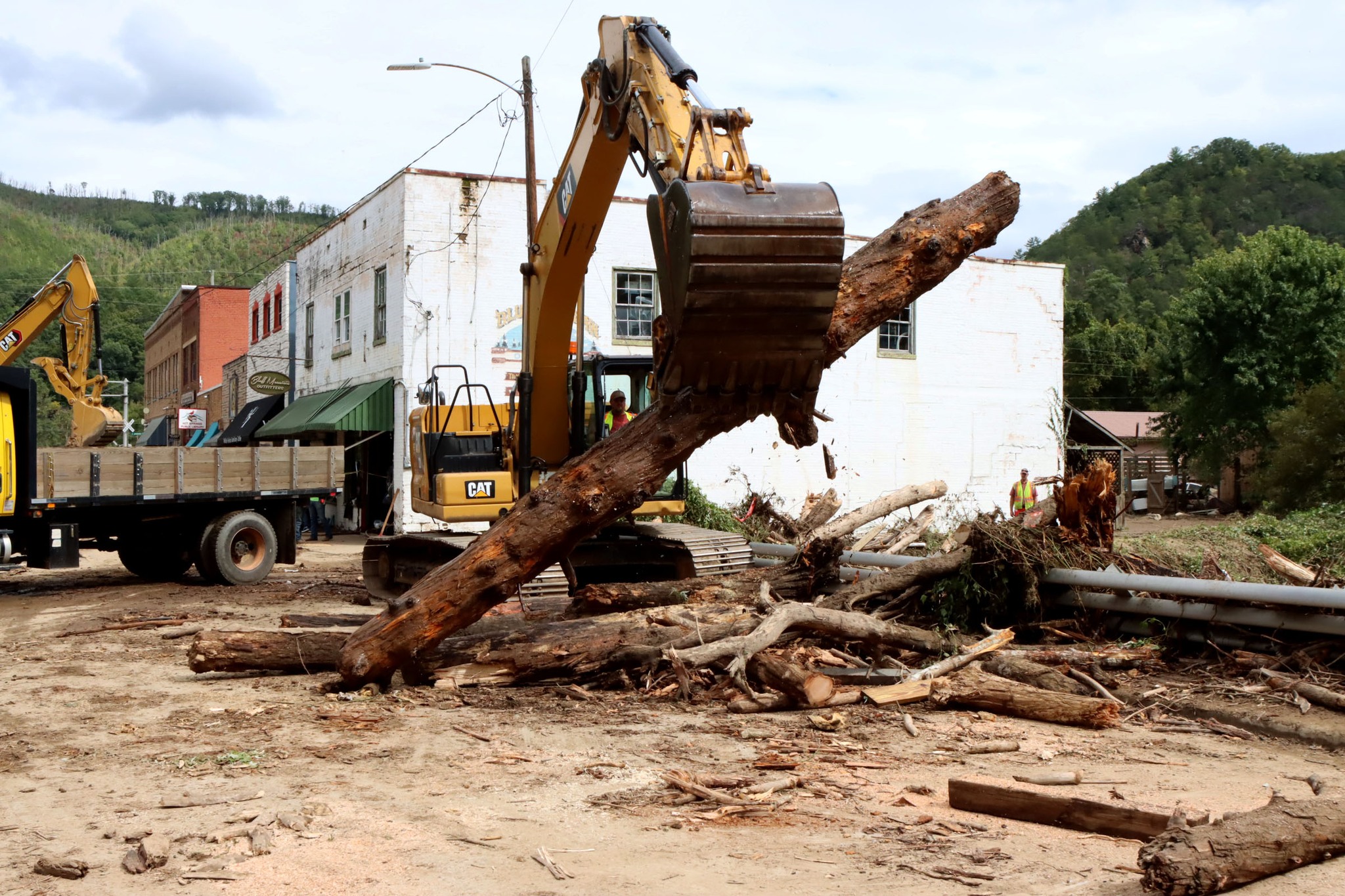
Greg emphasized the importance of support from local residents and businesses. “We’ve working on dump trucks help with debris removal,” he shared. Also, we need water trucks to spray down the dry dirt because rain is not forecasted for the next several days. Many local businesses have been donating equipment, while residents have contributed whatever they can. However, the need for more resources remains high, and Greg is encouraging people to spread the word.
How Grassroots Efforts Differ
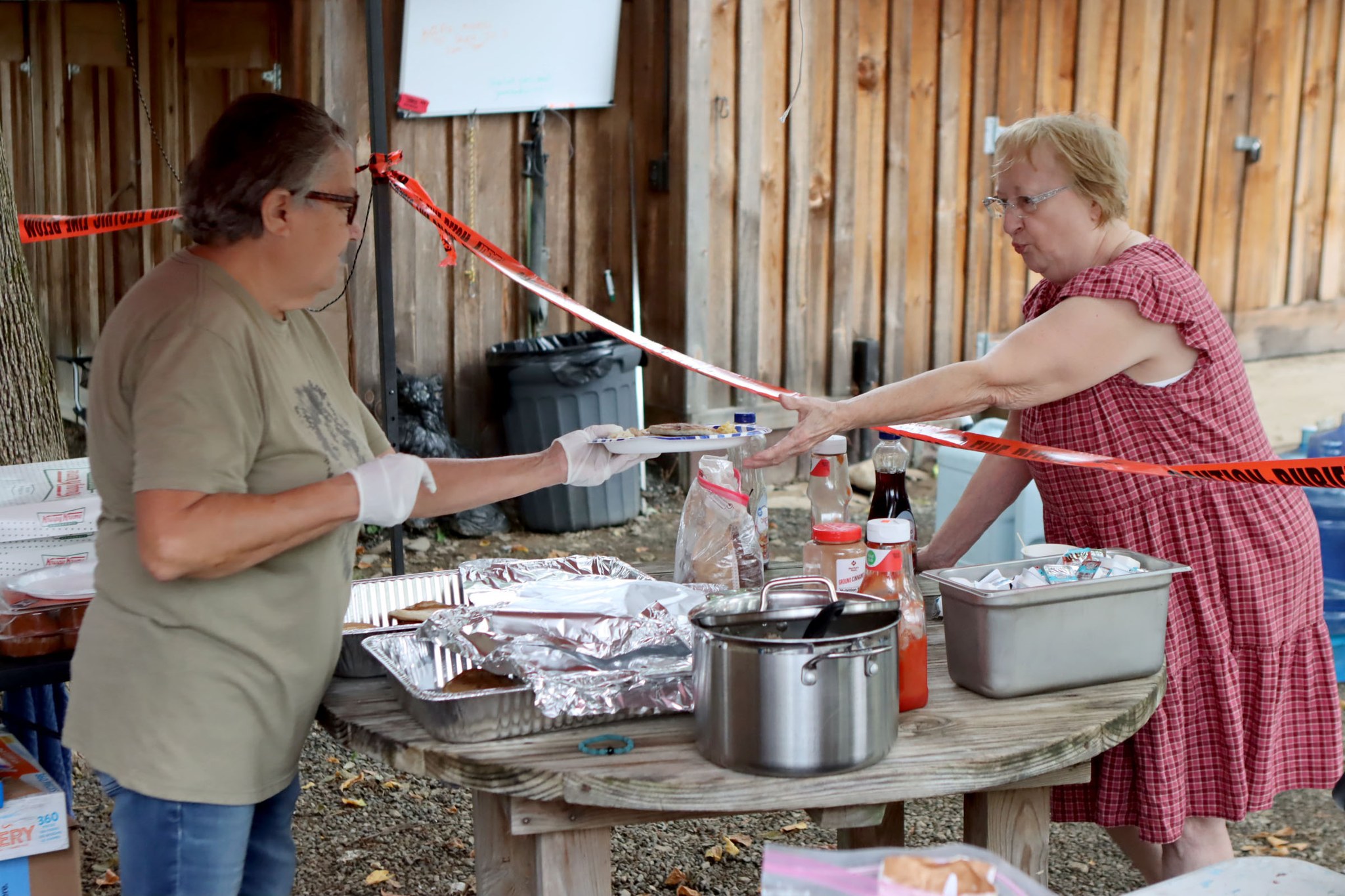
Grassroots relief efforts like Greg’s offer a unique advantage over larger organizations. “We’re small, so we can adapt quickly and respond directly to needs as we see them,” Greg explained. “It’s not just about getting the supplies there; it’s about being there, helping distribute them, and listening to what people actually need.” While organizations like the Red Cross provide invaluable support, grassroots efforts often provide more immediate, hands-on relief that can make a tangible difference quickly.
For those outside the affected areas looking to help, Greg mentioned several ways to get involved. “Social media is huge right now. If people can share our story, it helps us tap into more donors,” he said. He’s also encouraging individuals to network through Facebook groups, helping connect those in need with those who can help.
Long-Term Recovery Efforts and How to Help
Recovery efforts are expected to last for weeks, if not months, as some communities rebuild from near-total devastation. “This isn’t a short-term effort,” Greg said. “We’re going to be here helping as long as it takes.” To sustain his relief efforts, he’s actively seeking donations of non-perishable food, cooking fuel, kerosene, and other essentials. Additionally, he stressed the importance of specific items like fuel cans, 50-foot 14-gauge extension cords, and chain oil, which are crucial for cleanup and repair work.
Even small contributions make a difference. “If someone’s unsure about how much they can give, I’d say just give what you can. Every bit helps,” Greg said. “The people here are resilient, but they can’t do this alone. We need all the help we can get.” For those who prefer to help in non-monetary ways, Greg encouraged them to continue raising awareness and connecting with local relief groups.
Greg emphasizes the importance of stimulating the local economy soon, as the region heavily depends on tourism revenue. He encourages those who love the area to return and visit once businesses reopen, helping local residents get back on their feet and sustain their jobs and businesses.
As Western North Carolina works to recover, grassroots efforts like Greg Turner’s shine a light on the power of community action and compassion. His work demonstrates that even in the face of overwhelming challenges, individuals can step up and make a lasting difference. For those interested in donating or getting involved, Greg can be reached through direct message, and donations can be dropped off at several designated locations across Buncombe, Mitchell, and other affected counties. Together, the community is proving that resilience, determination, and kindness are sometimes the most powerful tools in disaster recovery.




















