

|
Getting your Trinity Audio player ready...
|
BOISE, Idaho (BFMG) — A man who died by cyanide poisoning inside an Idaho church more than four decades ago is now being investigated for a possible connection to the infamous 1982 Tylenol murders in the Chicago area.
The Ada County Sheriff’s Office (ACSO) announced Wednesday that investigators identified the previously unknown man as Dr. Mathew Francis Betkouski after reopening the decades-old cold case.
Detective Tim Cooper began reviewing the case in 2019. Authorities said Betkouski died by suicide after ingesting cyanide and was buried without being identified.
As investigators reconstructed Betkouski’s life, they uncovered information that led them to consider whether he could have been connected to the deaths of seven people who were poisoned after taking cyanide-laced Tylenol capsules in the Chicago area in 1982.
Those killings prompted a massive recall of Tylenol and fundamentally changed how over-the-counter medications are packaged and protected from tampering.
No one has ever been charged with the murders.
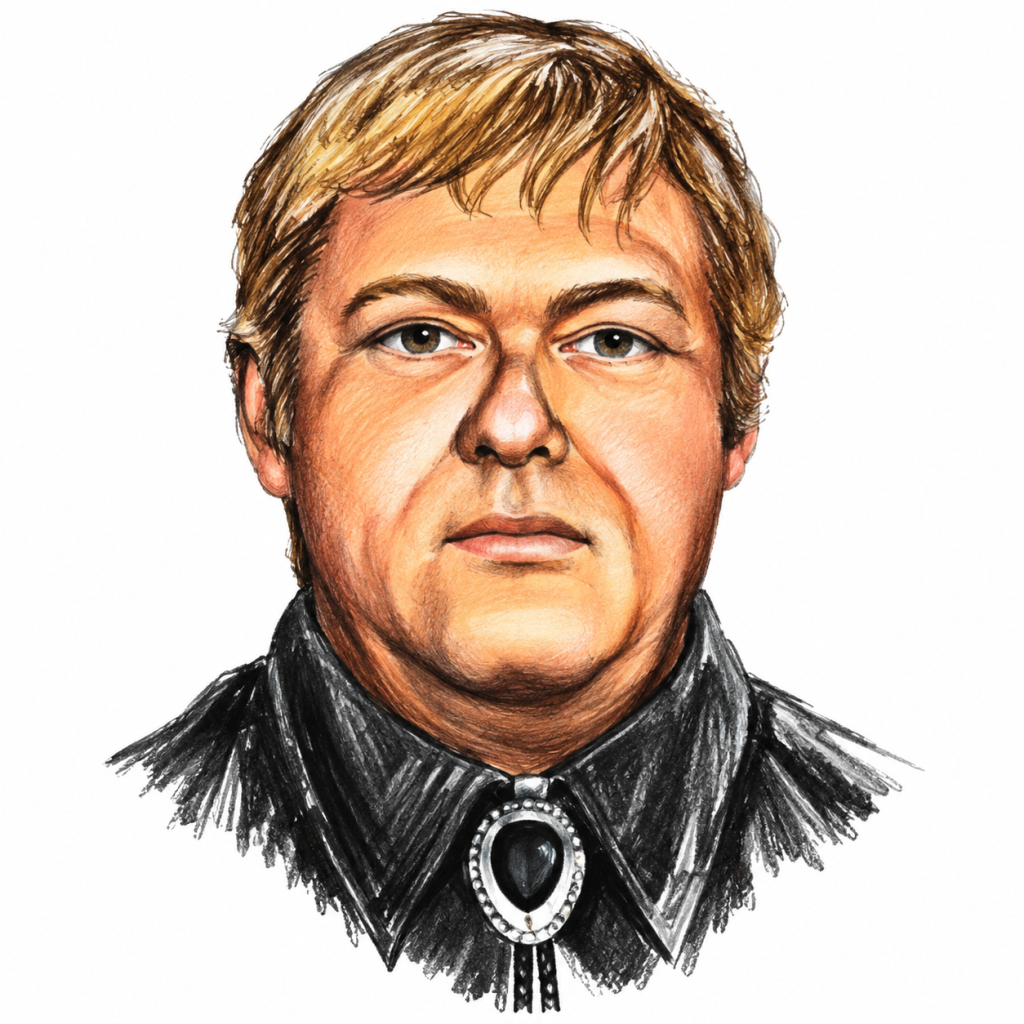
Engraved key helped identify mystery man
According to investigators, an engraved key recovered with Betkouski’s body eventually led detectives to a property in Jacksonville, Florida.
The owner of that property had disappeared in 1982.
Investigators used photographs and DNA testing to establish that the unidentified man found dead in Idaho was Betkouski.
Detectives then began examining his employment history and background.
Authorities said Betkouski had worked in drugstores, while former colleagues and acquaintances described him as volatile and fascinated with the concept of committing the “perfect crime.”
Investigators also said witnesses recalled Betkouski discussing cyanide as a substance that could potentially be used to kill someone without detection.
Chicago connection remains unclear
Betkouski lived in five states during his lifetime, but investigators said they have found no evidence that he ever lived in Illinois or near Chicago.
However, photographs reportedly show that Betkouski visited the Chicago area in 1981, approximately one year before the Tylenol poisonings.
Authorities have not determined whether he returned to the area in 1982.
The Chicago Police Department (CPD) confirmed its detectives have been communicating with authorities in Idaho as investigators attempt to determine whether the new information has any connection to the Tylenol murders.
Chicago police have not publicly identified Betkouski as a suspect.
The Tylenol killings remain an open cold case.
Previous suspect died in 2023
For decades, investigators closely examined James Lewis in connection with the poisonings.
Lewis was never charged with the seven killings but was convicted of sending an extortion letter to Johnson & Johnson, which manufactured Tylenol at the time.
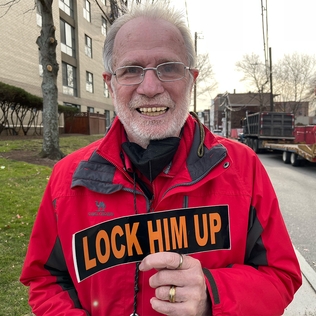
The letter demanded $1 million in exchange for stopping the killings.
Lewis later served more than 12 years in federal prison.
After his arrest in 1982, Lewis provided investigators with a detailed explanation of how the person responsible for poisoning the medication might have carried out the crime. He consistently denied being the killer.
Lewis died in 2023.
Investigators are now examining whether information uncovered during the Idaho cold case could provide a new lead in one of the nation’s most notorious unsolved poisoning cases.




















