

|
Getting your Trinity Audio player ready...
|
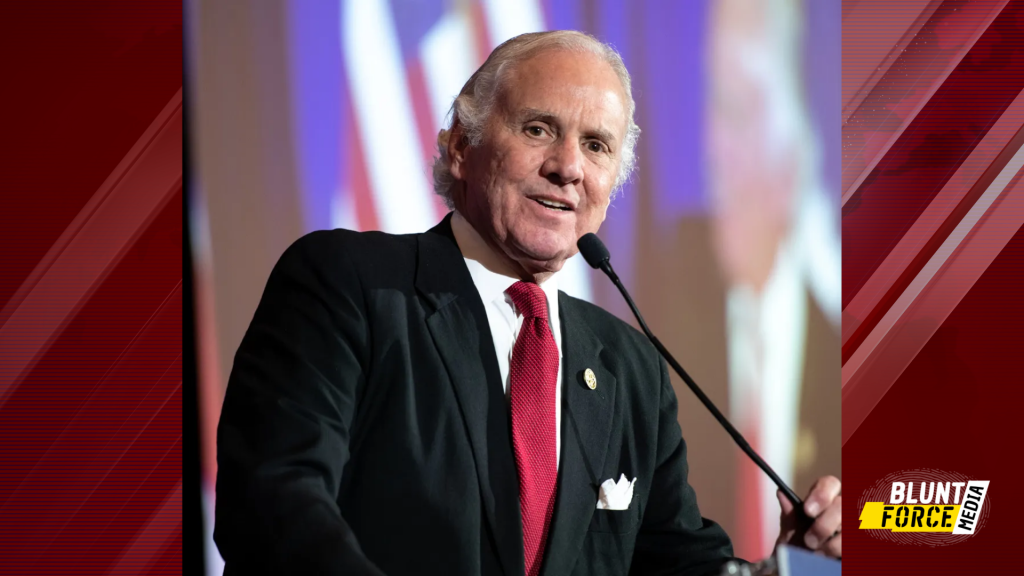
COLUMBIA, S.C. (BFMG) – In a show of bipartisan support and business advocacy, Gov. Henry McMaster and Lt. Gov. Pamela S. Evette gathered with lawmakers and business leaders Tuesday for a ceremonial signing of H. 3430, a sweeping tort reform and liquor liability bill.
The new law aims to address rising insurance costs for South Carolina businesses and introduces significant changes to the state’s joint and several liability statutes. It also imposes new safety and insurance requirements for establishments that serve alcohol.
“In March, we called on the General Assembly to take bold action on tort reform by finding a commonsense solution that provides accountability, certainty, and just compensation without damaging our economy,” McMaster said. “Today, we gathered back together to celebrate this great victory.”
The legislation allows civil case defendants to include nonparty tortfeasors—individuals or entities not named in the lawsuit—on the verdict form for jury consideration. If the jury determines a nonparty contributed to the injury, the party may be assigned a percentage of fault, potentially reducing the defendant’s liability.
One of the most notable provisions caps business liability in DUI-related cases at 50% of the plaintiff’s damages, down from the previous 100%.
Senate President Thomas Alexander praised the reform as a necessary measure to preserve South Carolina’s pro-business environment.
“It is important for us to maintain a business-friendly climate and ensure that our actions also address that,” Alexander said. “At no time should the actions of government put businesses out of business.”
The law also mandates that any business selling alcohol after 5 p.m. for on-site consumption carry a liability insurance policy with a $1 million annual aggregate limit. Businesses can reduce that requirement by adopting specific risk mitigation strategies, including:
- Ending alcohol sales by midnight: $250,000 reduction
- Ensuring all employees complete alcohol server training within 60 days of hire: $100,000 reduction
- Maintaining alcohol sales under 40% of total revenue: $100,000 reduction
- Using a digital forensic ID system from 12 a.m. to 4 a.m.: $100,000 reduction
- Operating as a 501(c)(3) or hosting a special licensed event: $500,000 reduction
The law also introduces a mandatory alcohol server training program, certified by the South Carolina Department of Revenue (SCDOR). The program covers liquor liability, South Carolina alcohol laws, identifying intoxicated individuals, concealed weapon rules, and how to spot fake IDs. Upon completion, servers will receive official alcohol-server certification from the SCDOR.
Speaker of the House Murrell Smith called the measure a fair compromise.
“We needed a bill that protects South Carolina businesses while also protecting victims who should receive compensation, and I believe we accomplished that,” Smith said.
Senate Majority Leader Shane Massey credited McMaster’s leadership for helping the bill reach the finish line.
“If it had not been for him being willing to come out and take the steps to be in front of everybody on this issue, it would not have happened,” Massey said.
Sara Hazzard, president and CEO of the South Carolina Manufacturers Alliance, praised the bill as a step toward restoring fairness in the legal system.
“When certainty, fairness, and goodness are anchors of our civil justice system, families, businesses, and communities can thrive,” Hazzard said.
The law is now in effect and expected to have a broad impact across South Carolina’s legal and business landscapes.




















