|
Getting your Trinity Audio player ready...
|
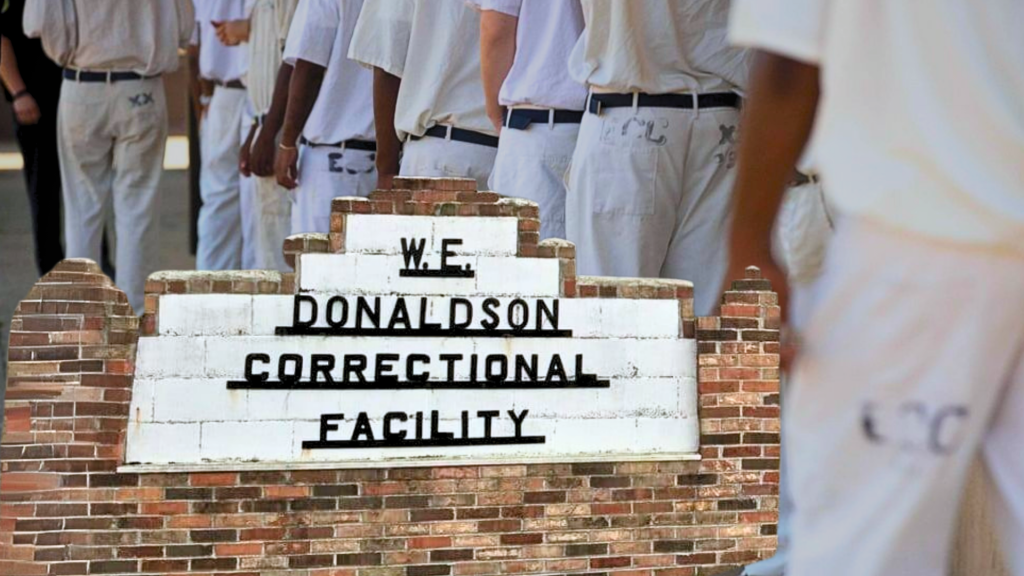
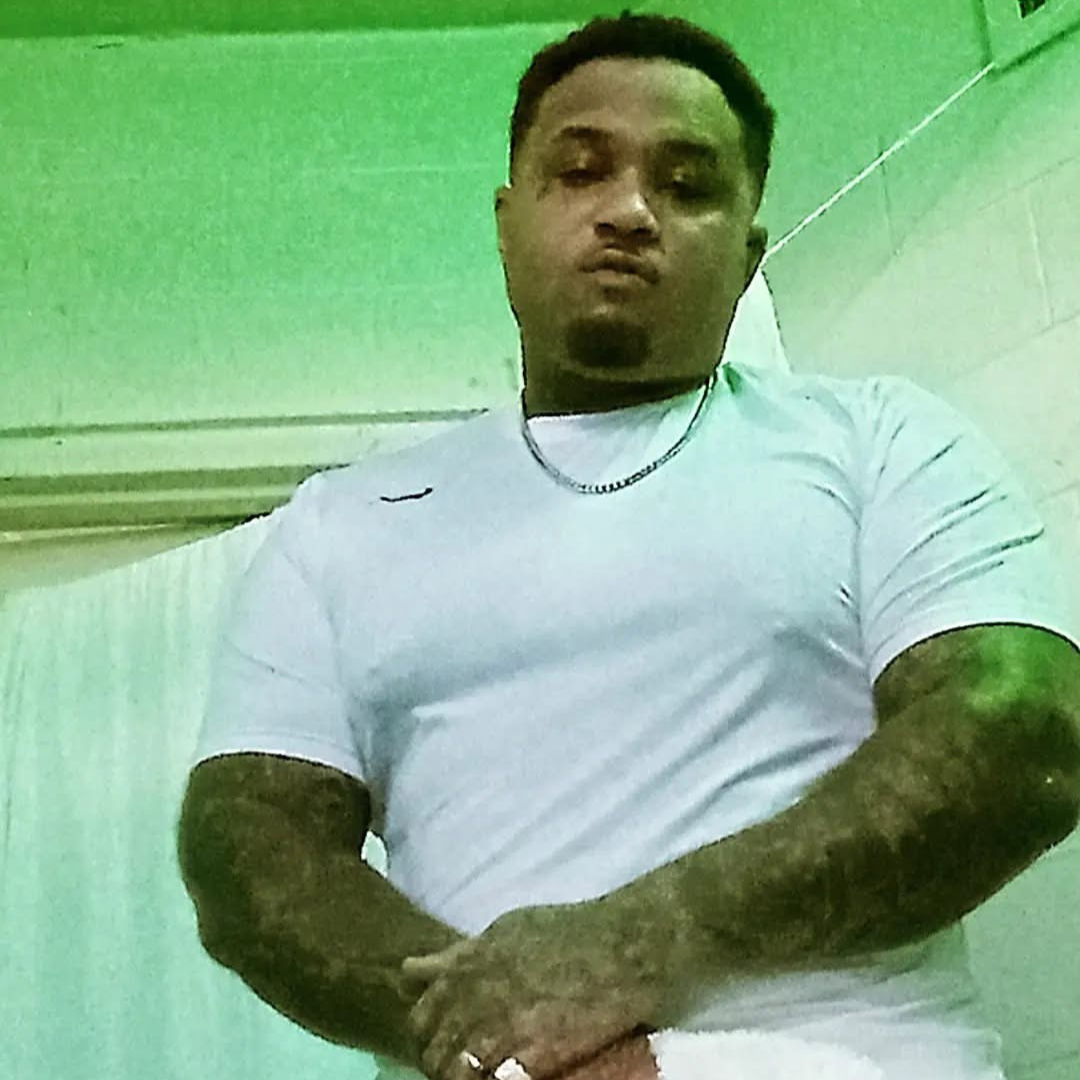
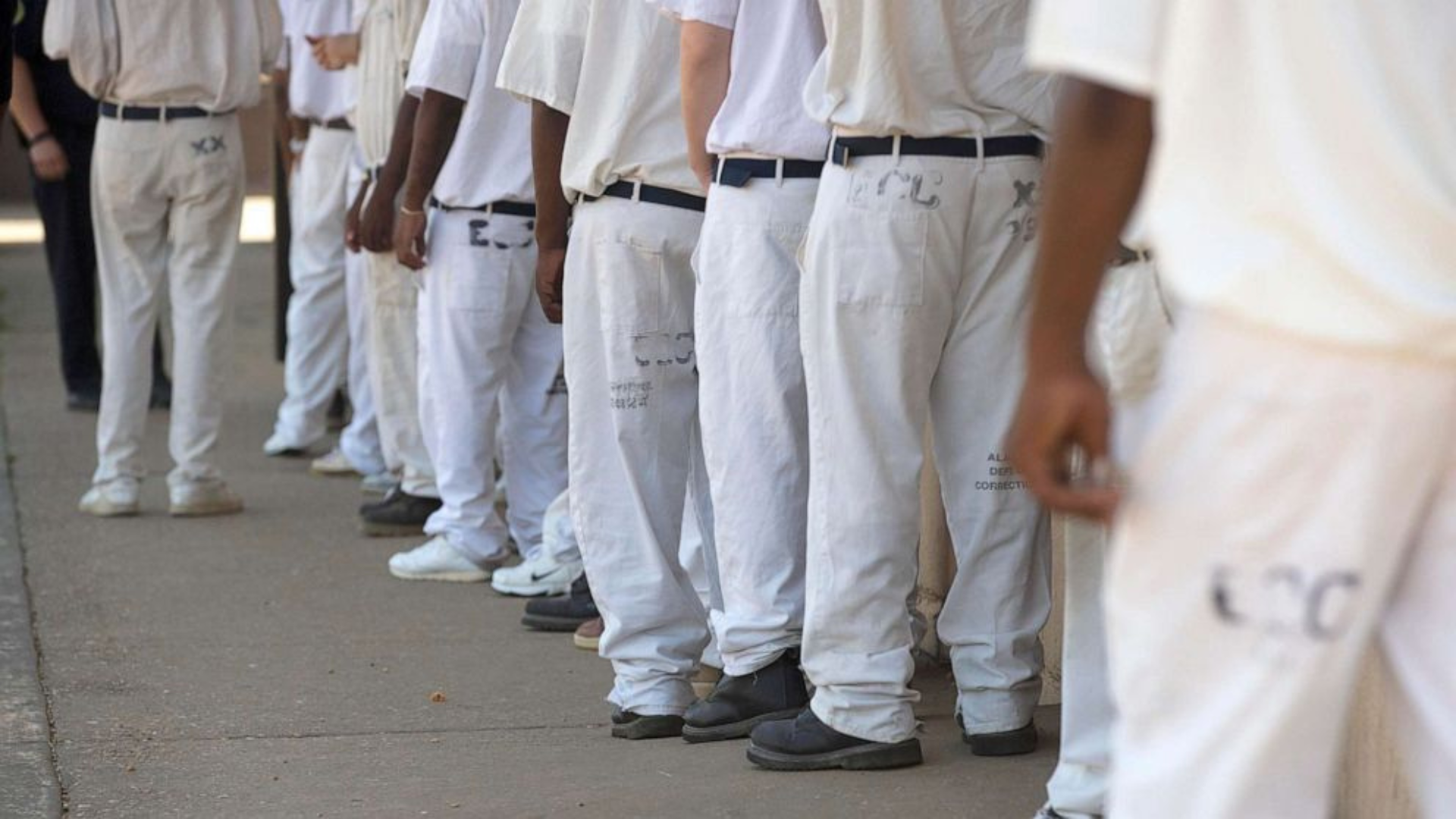
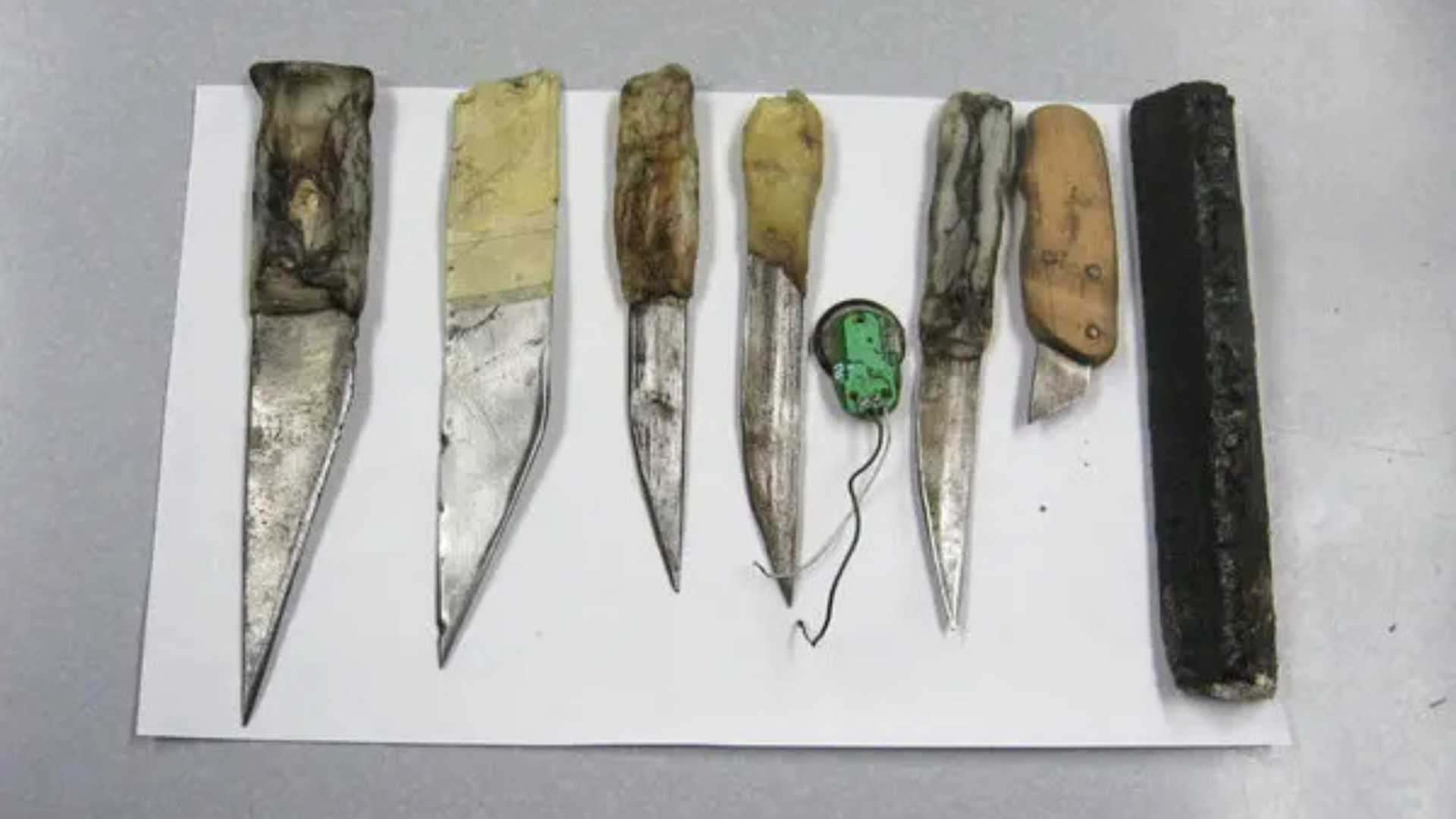
BESSEMER, Ala. (BFMG) — On February 11, 2025, Cordel Ladon Battle, a 30-year-old inmate at Donaldson Correctional Facility, was brutally stabbed to death inside the prison’s notoriously violent South Side housing unit. According to Jefferson County Coroner reports, Battle sustained sharp force injuries during an assault at 6:41 pm. Despite emergency measures at the prison’s healthcare unit, he was pronounced dead less than an hour later at 7:28 pm.
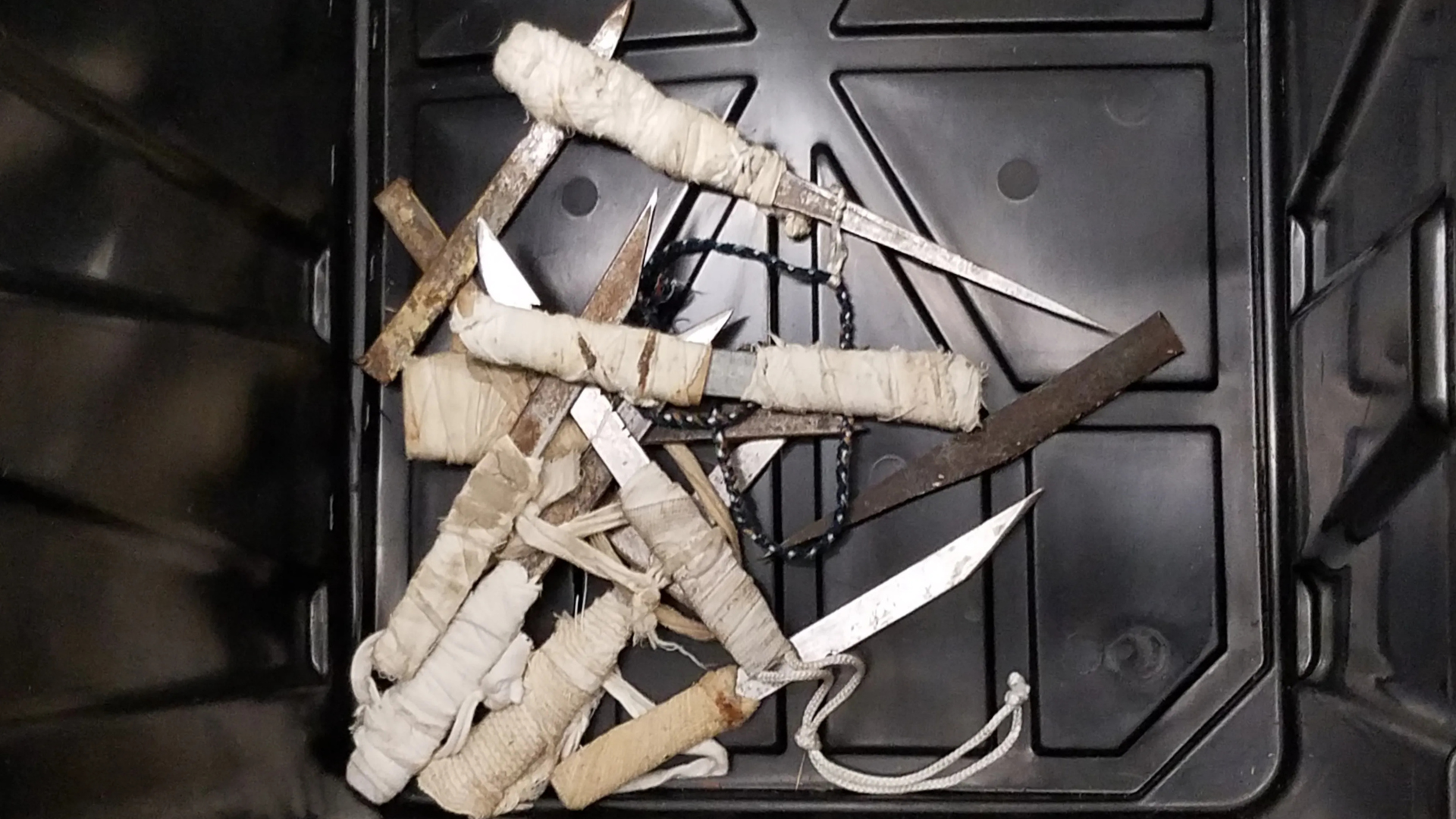
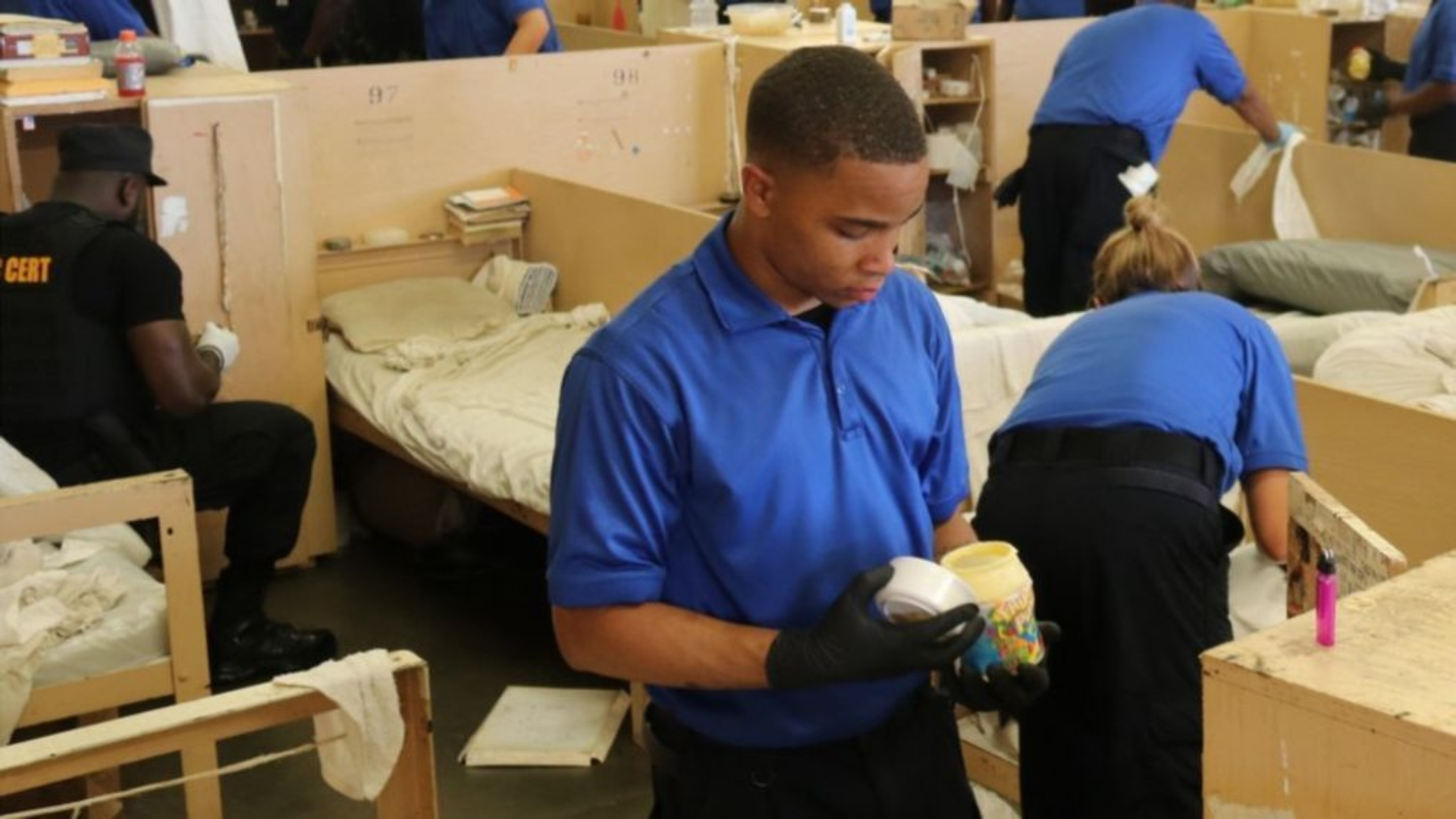
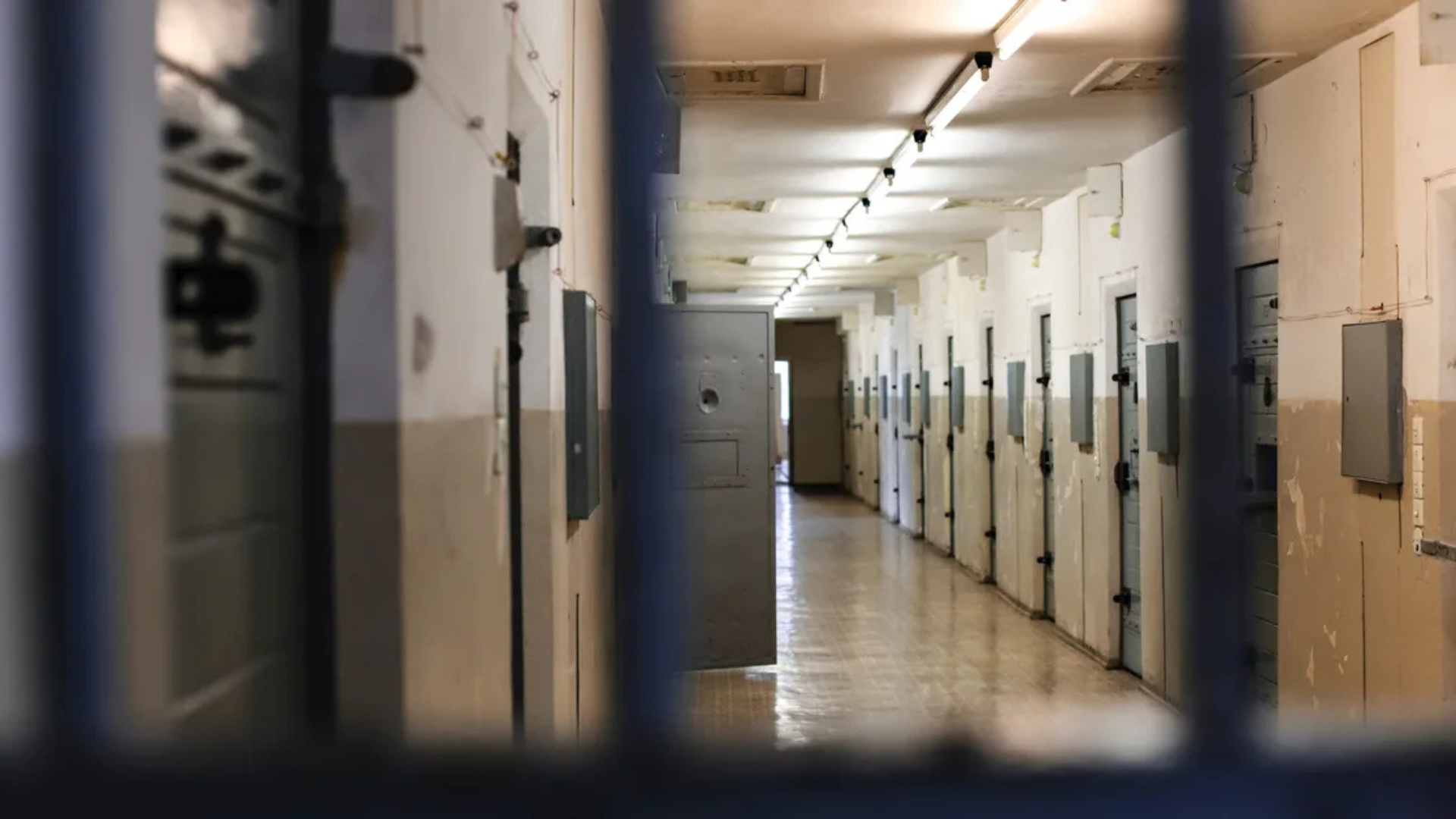
The Alabama Department of Corrections (ADOC) claims an investigation is underway, but the truth is clear to Battle’s family, fellow inmates, and those who have long fought for reform: Alabama prisons are a death trap, and Battle’s murder was preventable. His homicide marks yet another fatality at Donaldson, a Level 5 maximum-security prison, infamous for its history of inmate-on-inmate violence, officer misconduct, and rampant contraband trade. For Battle’s family, the devastation is immense—what was supposed to be a long-awaited reunion has now turned into unimaginable grief.
The Donaldson Facility Death Trap
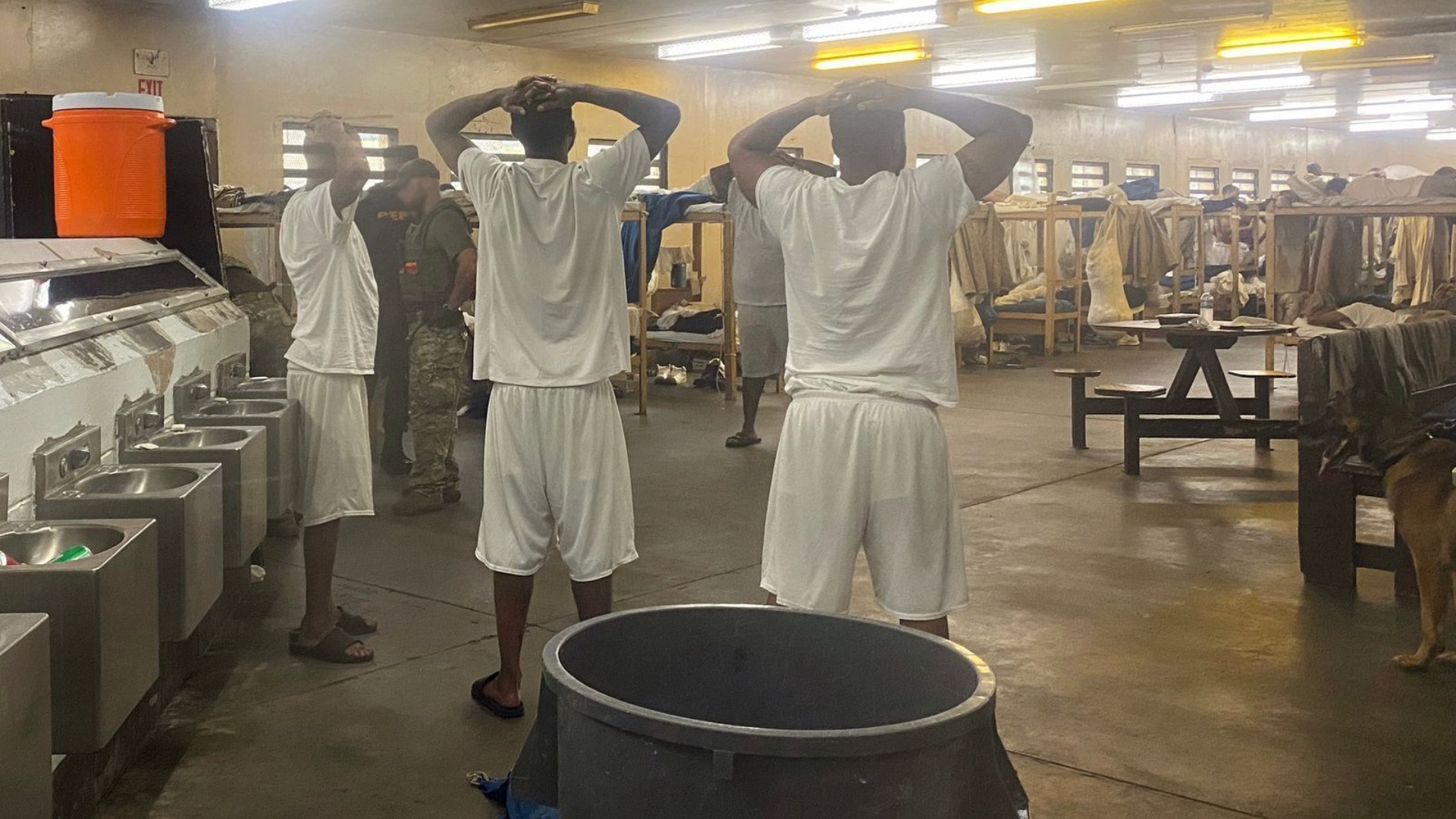
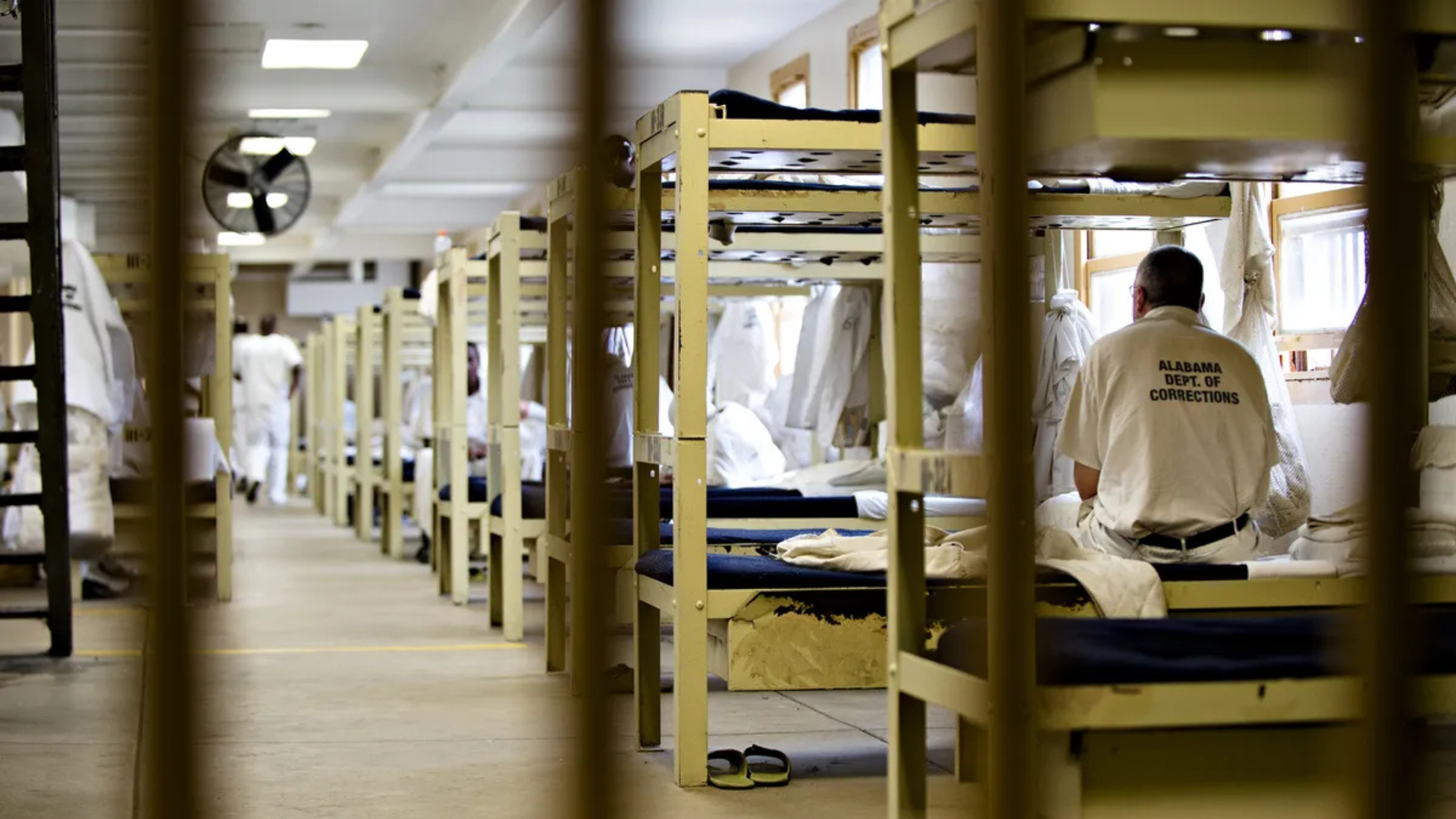
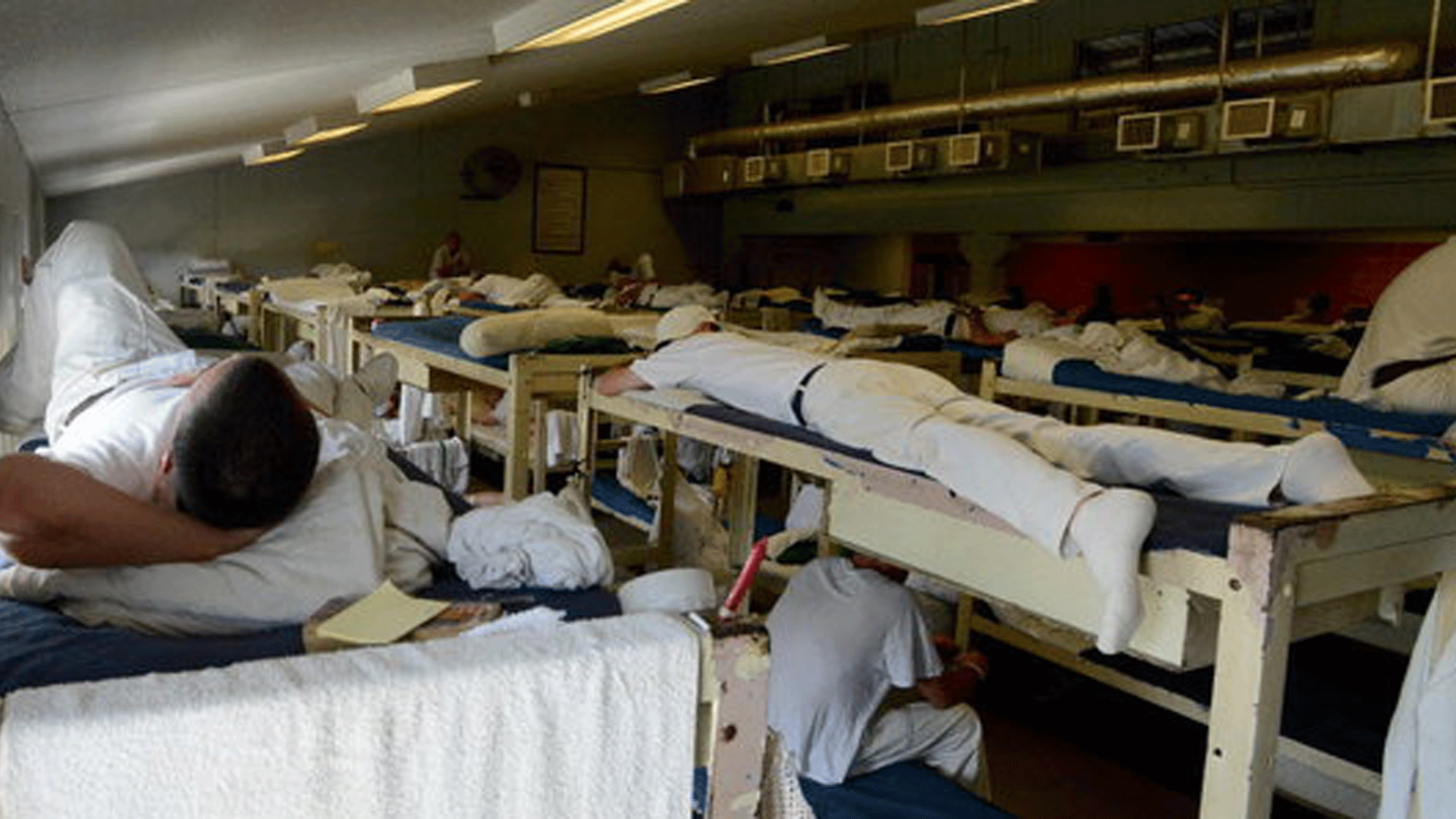
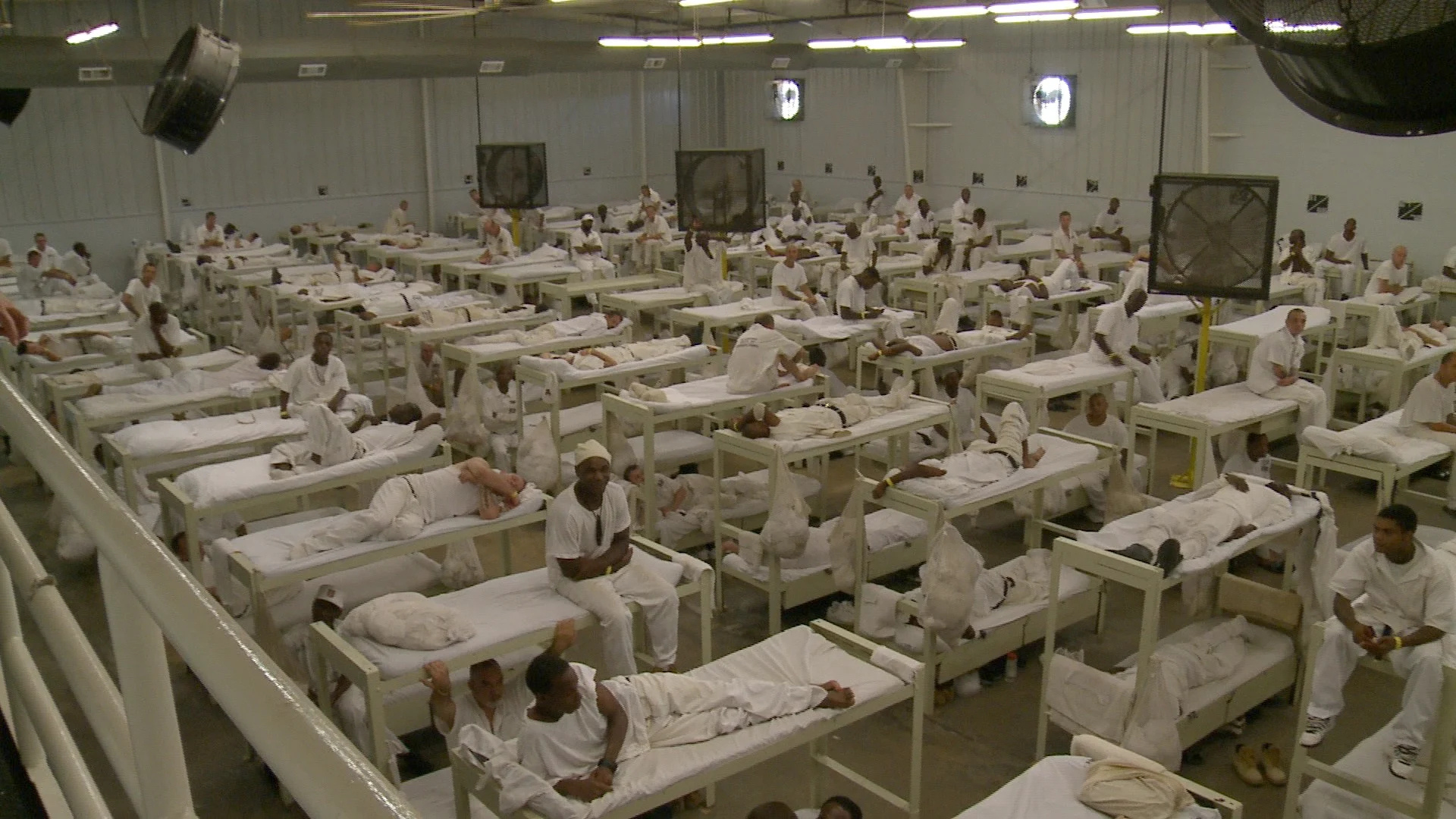
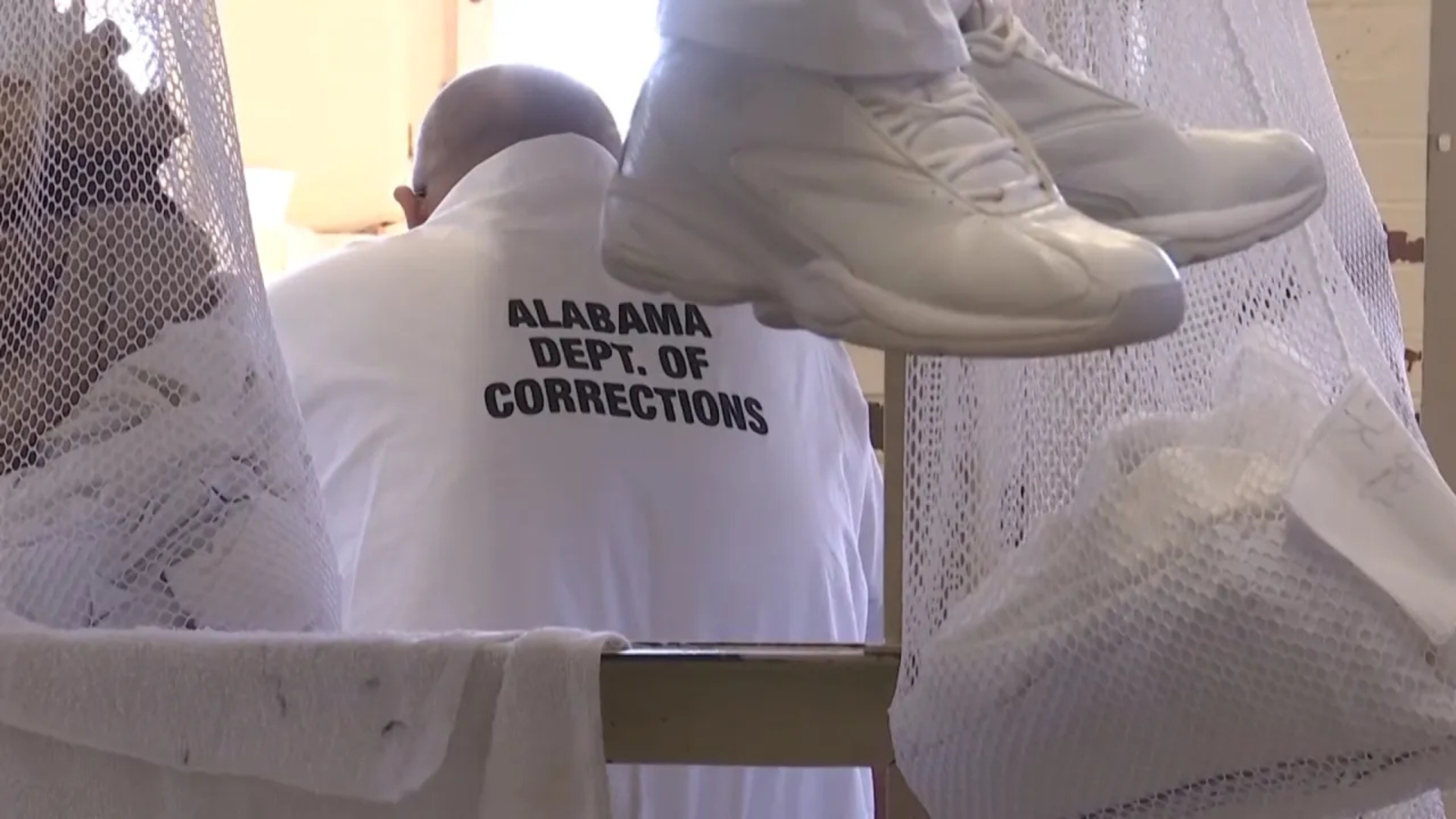
Alabama’s prison system has long been plagued by overcrowding, understaffing, and unchecked brutality. Donaldson Correctional Facility, where Battle was killed, has become a death trap for inmates and a dangerous environment for correctional officers. Battle, who was serving a 20-year sentence for first-degree robbery, became yet another statistic. His death marks the 16th homicide in Alabama prisons in just the past 12 months—half of them occurring at Donaldson or Limestone Correctional Facility.
According to an Equal Justice Initiative report, Alabama prisons lead the nation in homicide rates, with Donaldson being a hotspot for inmate-on-inmate stabbings, gang violence, and retaliation killings. In 2024 alone, 23 inmates lost their lives within its walls, with 28 deaths recorded the previous year—a record high.
Alabama’s prison system is the deadliest in the country. The DOJ sued the state in 2020, citing “excessively high homicide rates” and correctional officers failing to protect inmates from violence. Since then, over 80 men have been murdered behind bars—an average of more than one per month.
This crisis is not new. The U.S. Department of Justice (DOJ) first warned Alabama in 2019 that its prisons were violating the Eighth Amendment’s prohibition on cruel and unusual punishment. Since then, nothing has changed.
A Facility Where Murder Is the Norm
“The death yesterday of Cordel Battle hit me hard. We spent a year together at Holman and then here. I can honestly say that I planted some good seeds in his life. He listened to my messages for nearly a year straight. May God strengthen his mom at this time.”

Justice Denied: Cover-Ups Instead of Reform
Prison officials have repeatedly covered up murders, often ruling them “natural deaths” or downplaying evidence of abuse. When correctional officers were found responsible for beating an inmate, Steven Davis, to death, the state paid his family $250,000 to settle the lawsuit—while refusing to admit wrongdoing. Meanwhile, officers implicated in excessive force and misconduct remain employed. Two of the officers involved in Davis’ beating death are still working at Donaldson, despite damning evidence that he was stomped on, struck in the head, and left to die.
A Growing Gang Extortion Network
A System Under Fire: The “Alabama Solution” Documentary
Alabama’s Multi-Million Dollar Legal Cover-Up
“This is a Crisis”: Lawmakers Call for Immediate Action
State lawmakers and prison reform advocates have been calling for immediate intervention to prevent more deaths like Battle’s. Rep. Chris England, a leading voice on the Joint Prison Oversight Committee, said Alabama’s parole system is broken, and the state is failing to protect its incarcerated population.
“These conditions are unconstitutionally inhumane. The system is in 100% full-on crisis mode.”
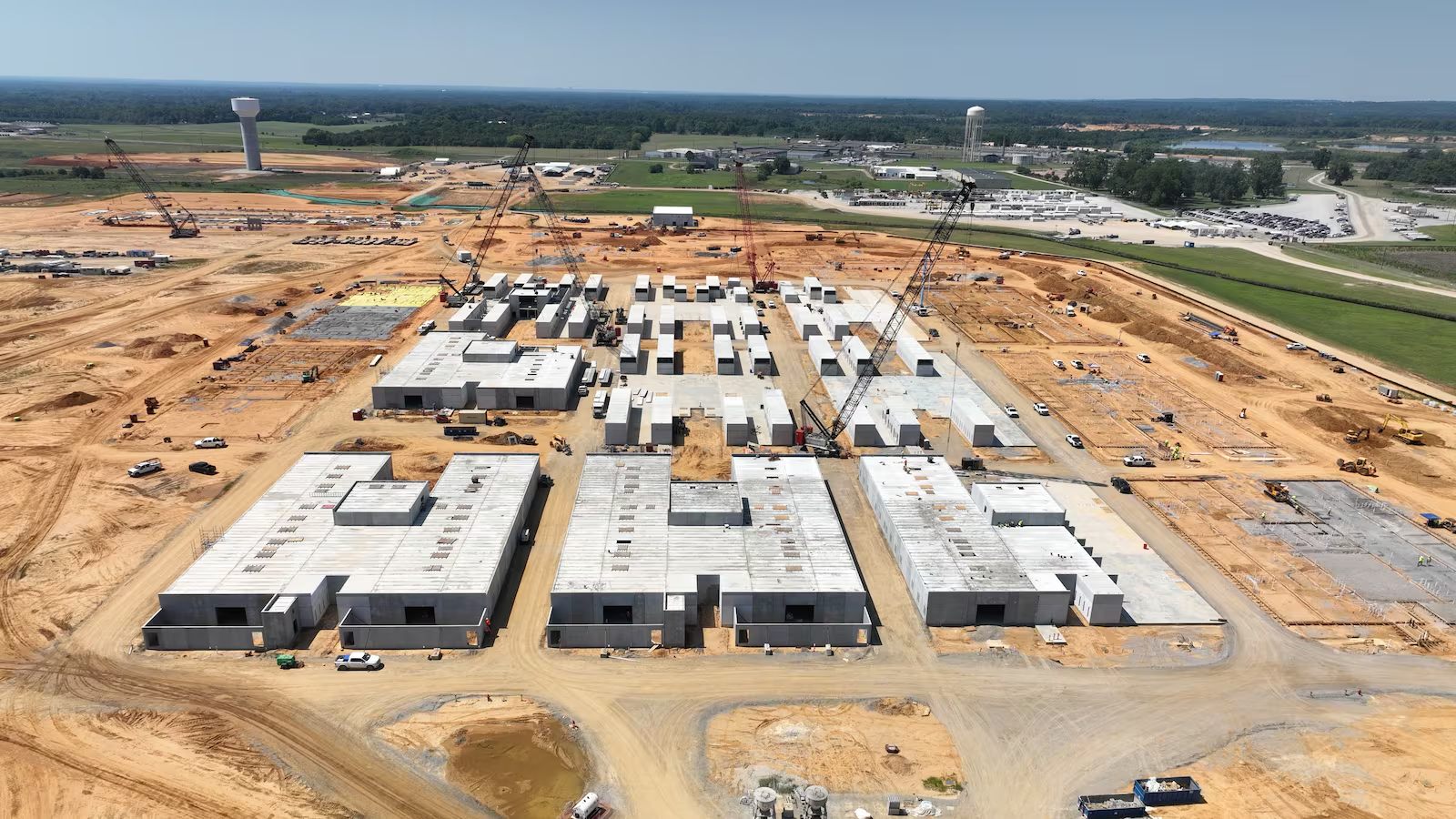
A $1 Billion Band-Aid: Lawmakers Push for More Prison Construction Instead of Reform
Alabama Corrections Commissioner John Hamm has likened the new $1 billion facility to a small city because it has 54 buildings over 335 acres to house inmates and provide medical, mental health and substance abuse treatment.