A Broken System with a Rising Body Count: AL Prison Violence Claims Yet Another Life

BFMG.News
Getting your Trinity Audio player ready...

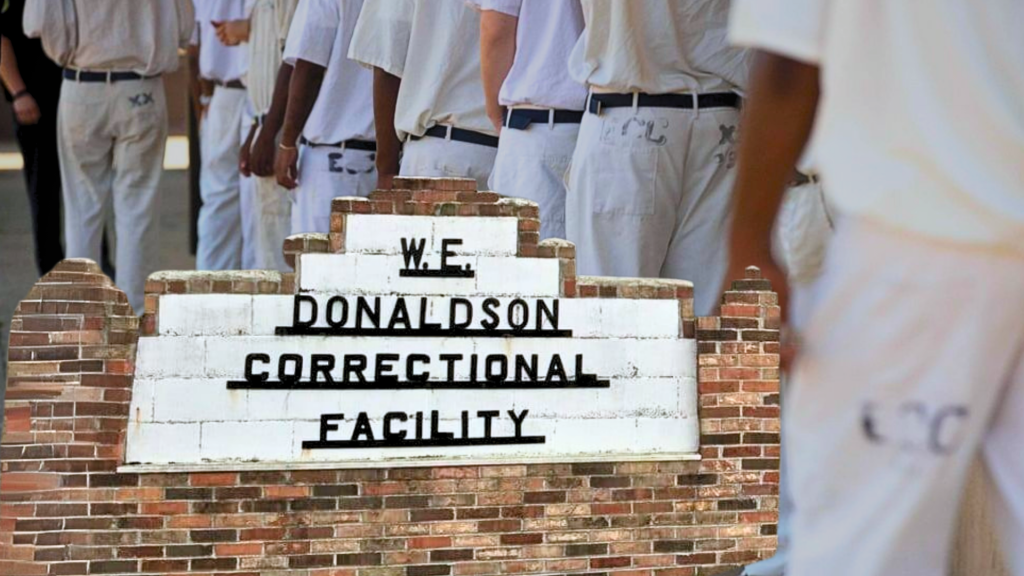
BESSEMER, Ala. (BFMG) —  On February 11, 2025, Cordel Ladon Battle, a 30-year-old inmate at Donaldson Correctional Facility, was brutally stabbed to death inside the prison’s notoriously violent South Side housing unit. According to Jefferson County Coroner reports, Battle sustained sharp force injuries during an assault at 6:41 pm. Despite emergency measures at the prison’s healthcare unit, he was pronounced dead less than an hour later at 7:28 pm.

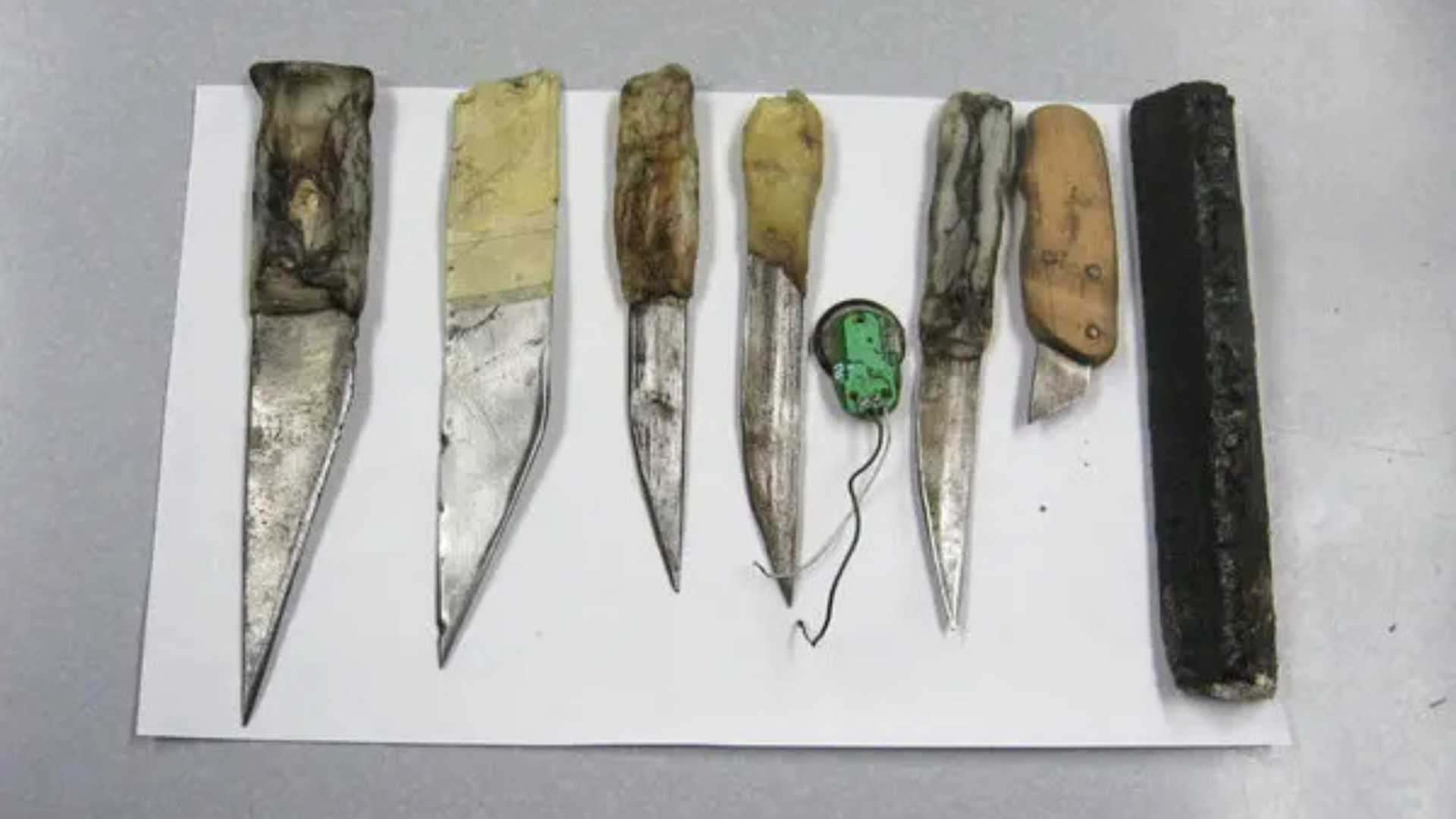
The Alabama Department of Corrections (ADOC) claims an investigation is underway, but the truth is clear to Battle’s family, fellow inmates, and those who have long fought for reform: Alabama prisons are a death trap, and Battle’s murder was preventable. His homicide marks yet another fatality at Donaldson, a Level 5 maximum-security prison, infamous for its history of inmate-on-inmate violence, officer misconduct, and rampant contraband trade. For Battle’s family, the devastation is immense—what was supposed to be a long-awaited reunion has now turned into unimaginable grief.

The Donaldson Facility Death Trap

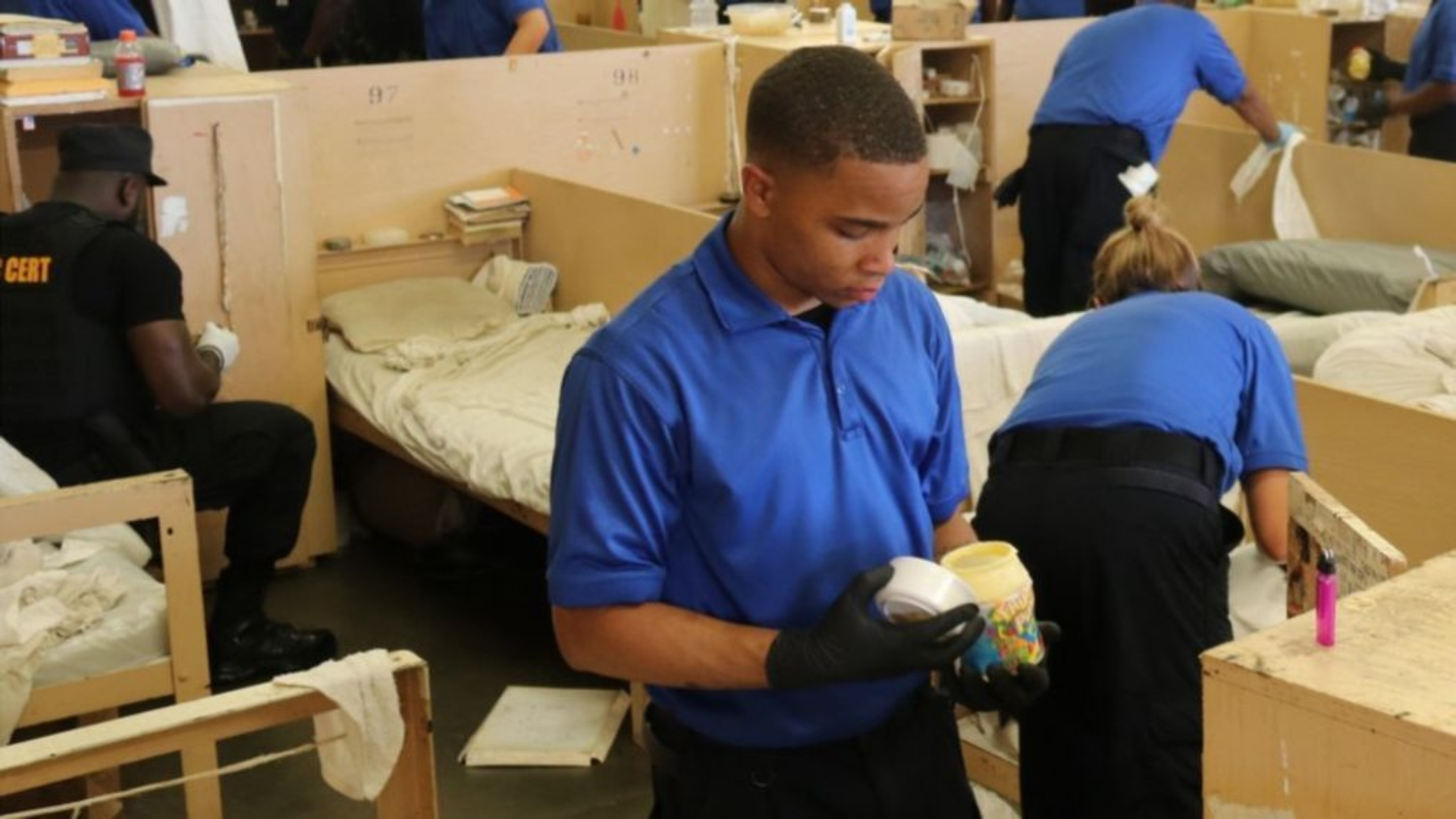
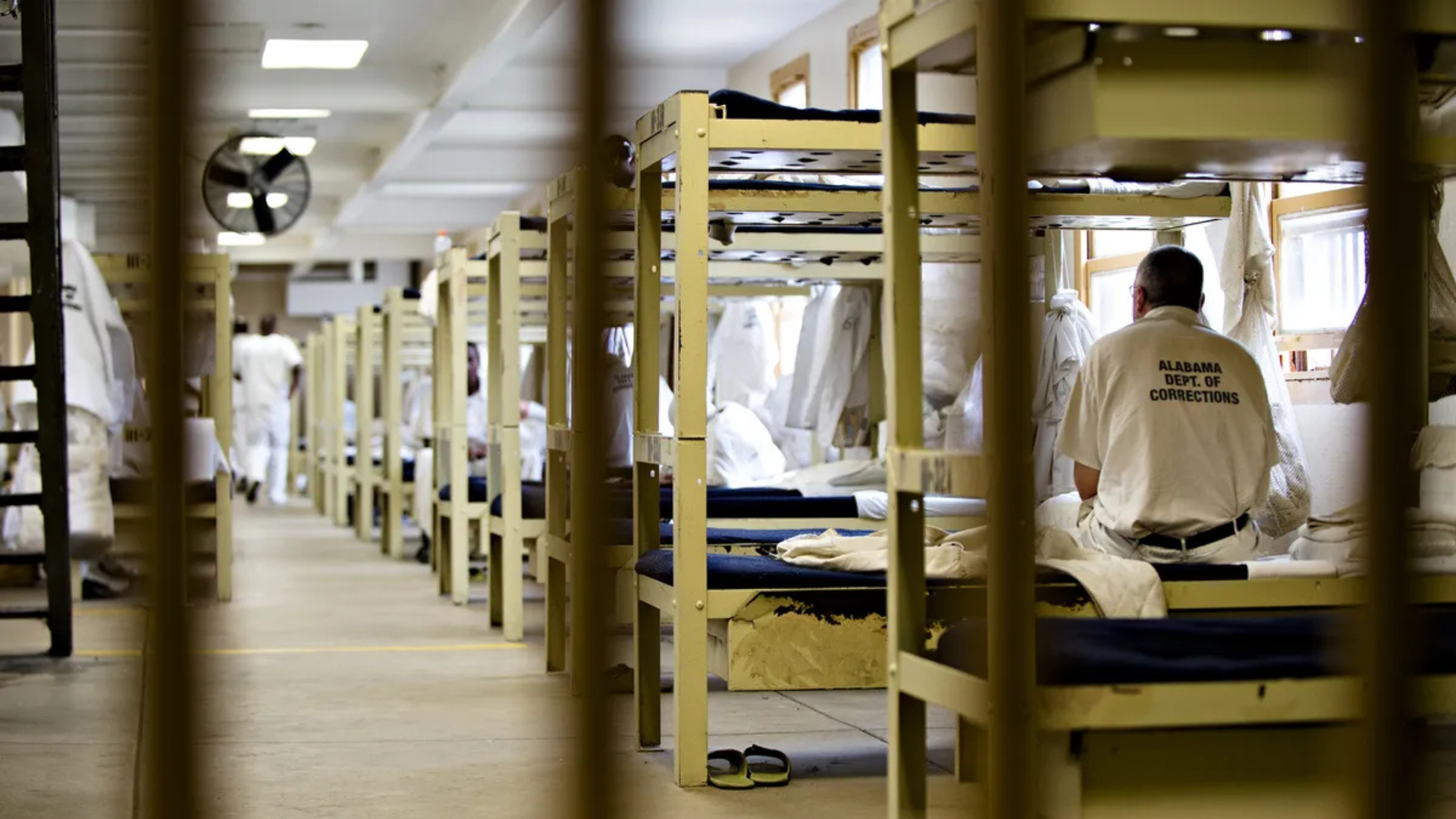
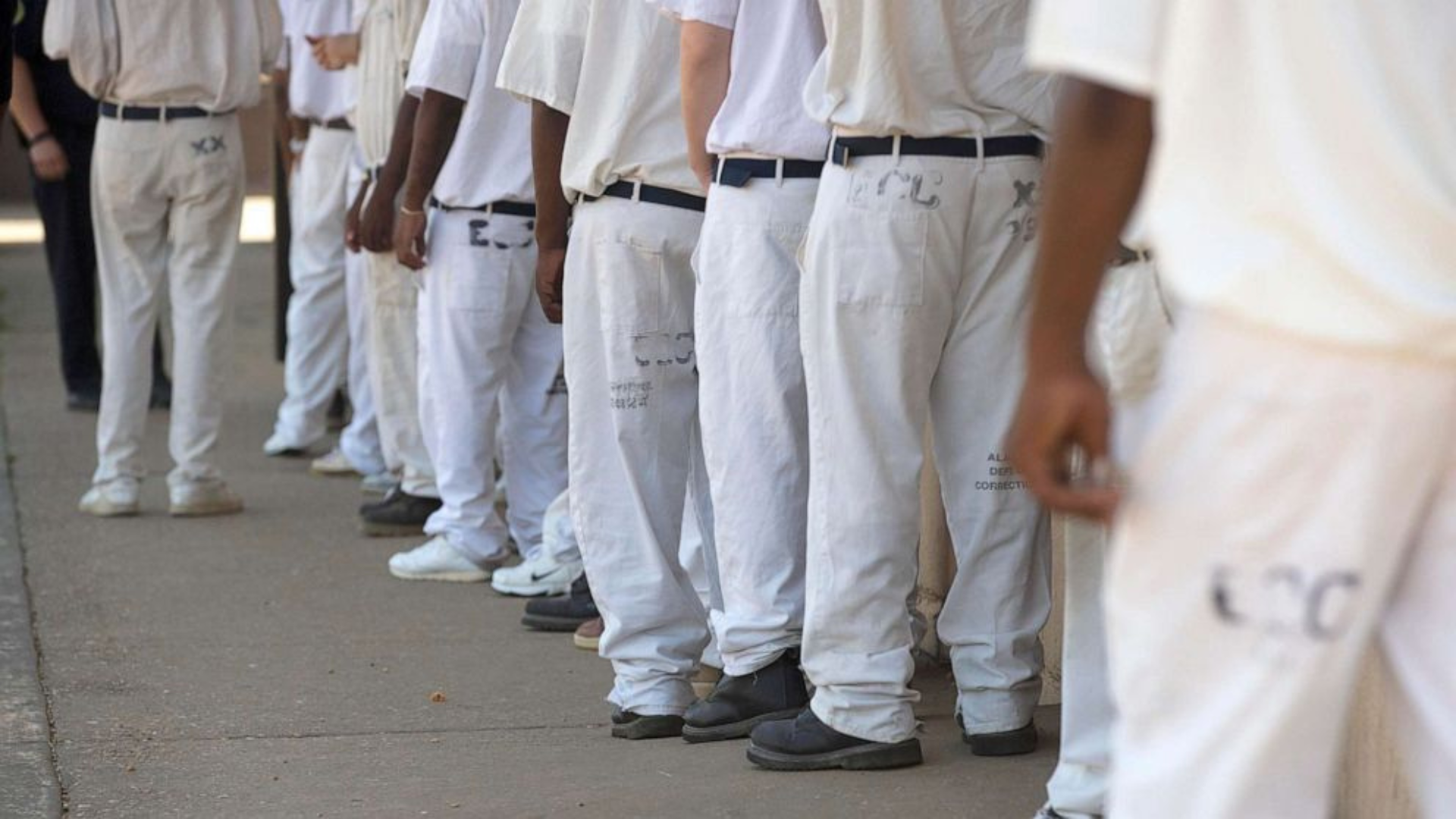
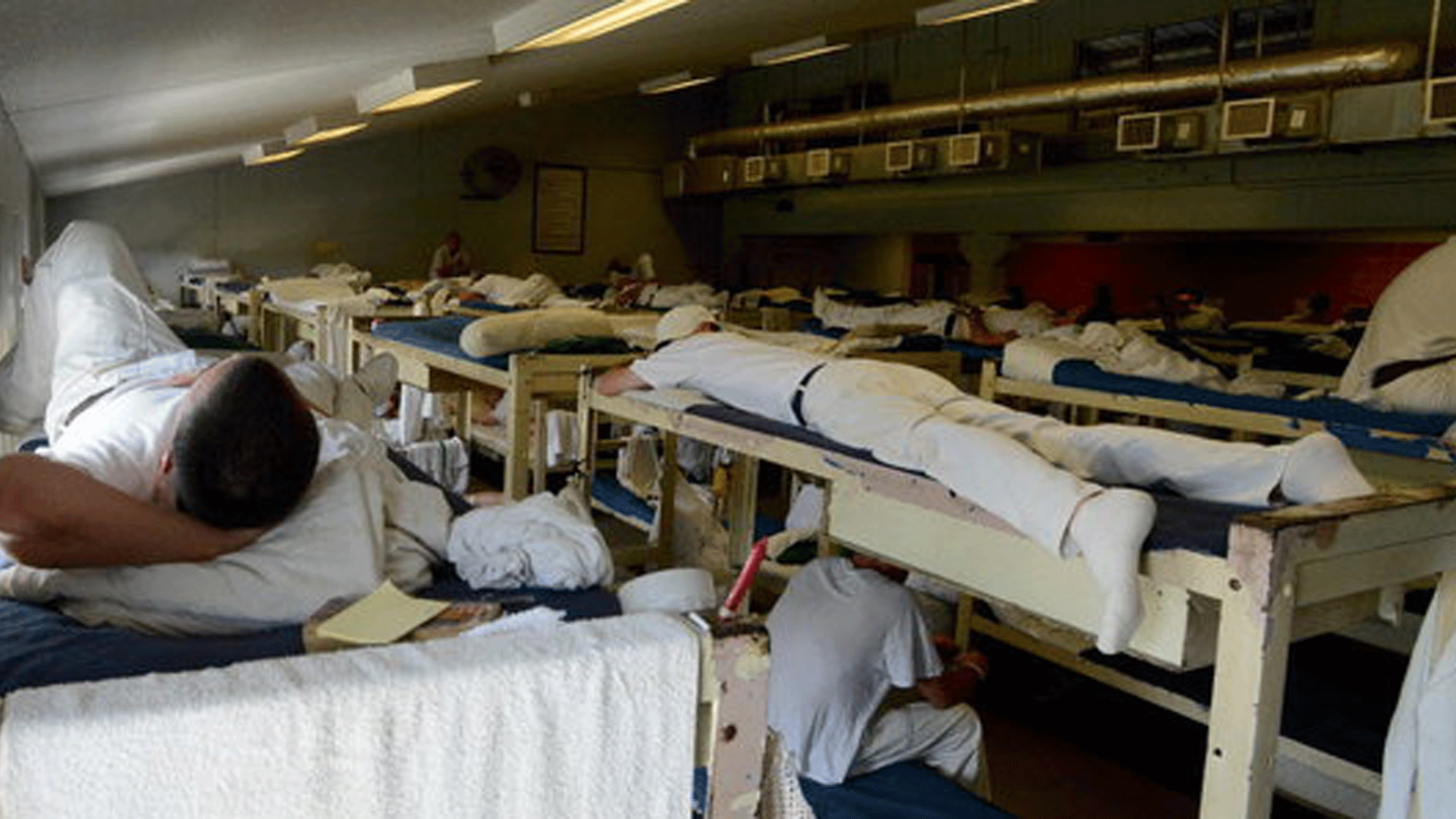
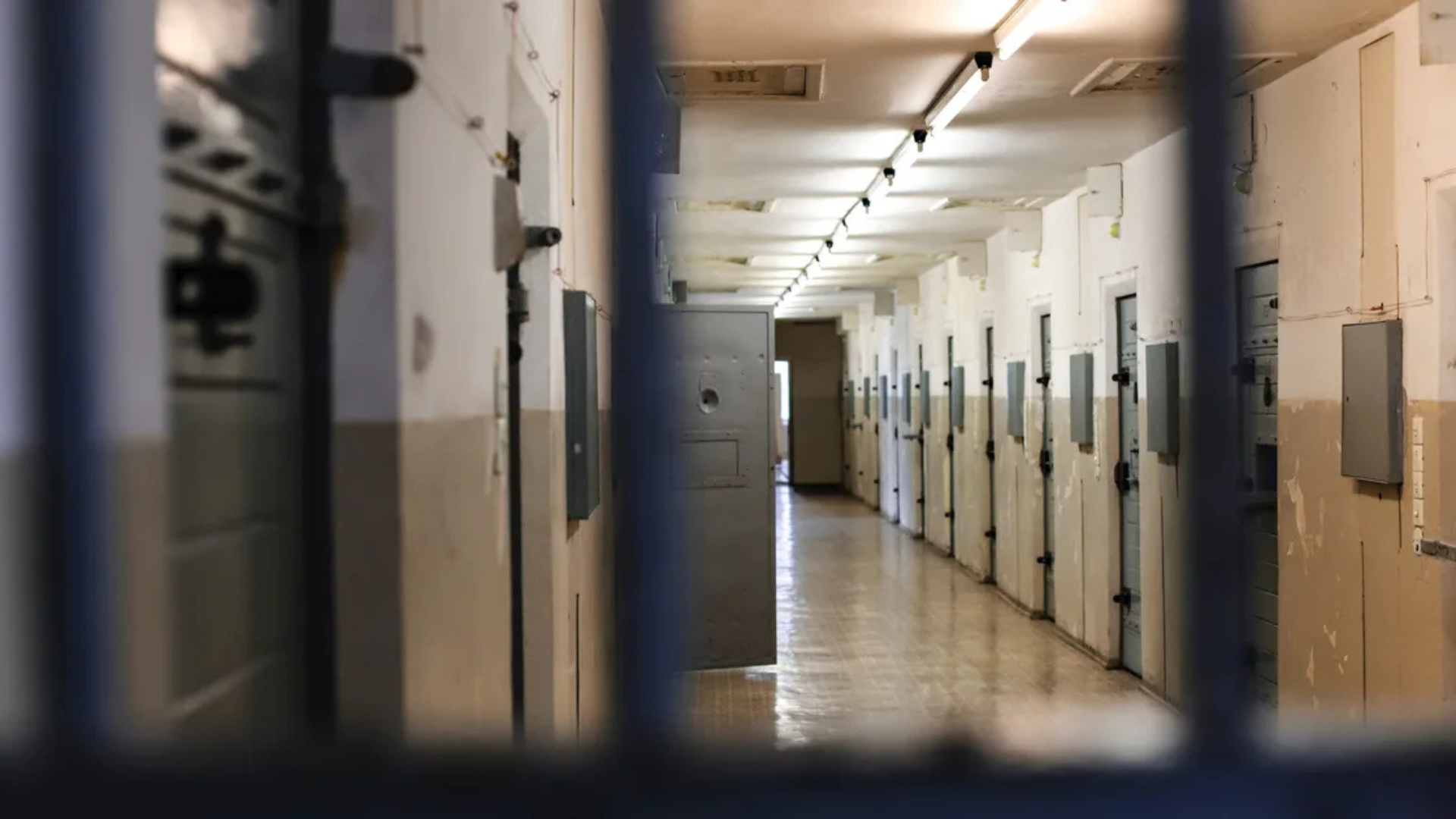
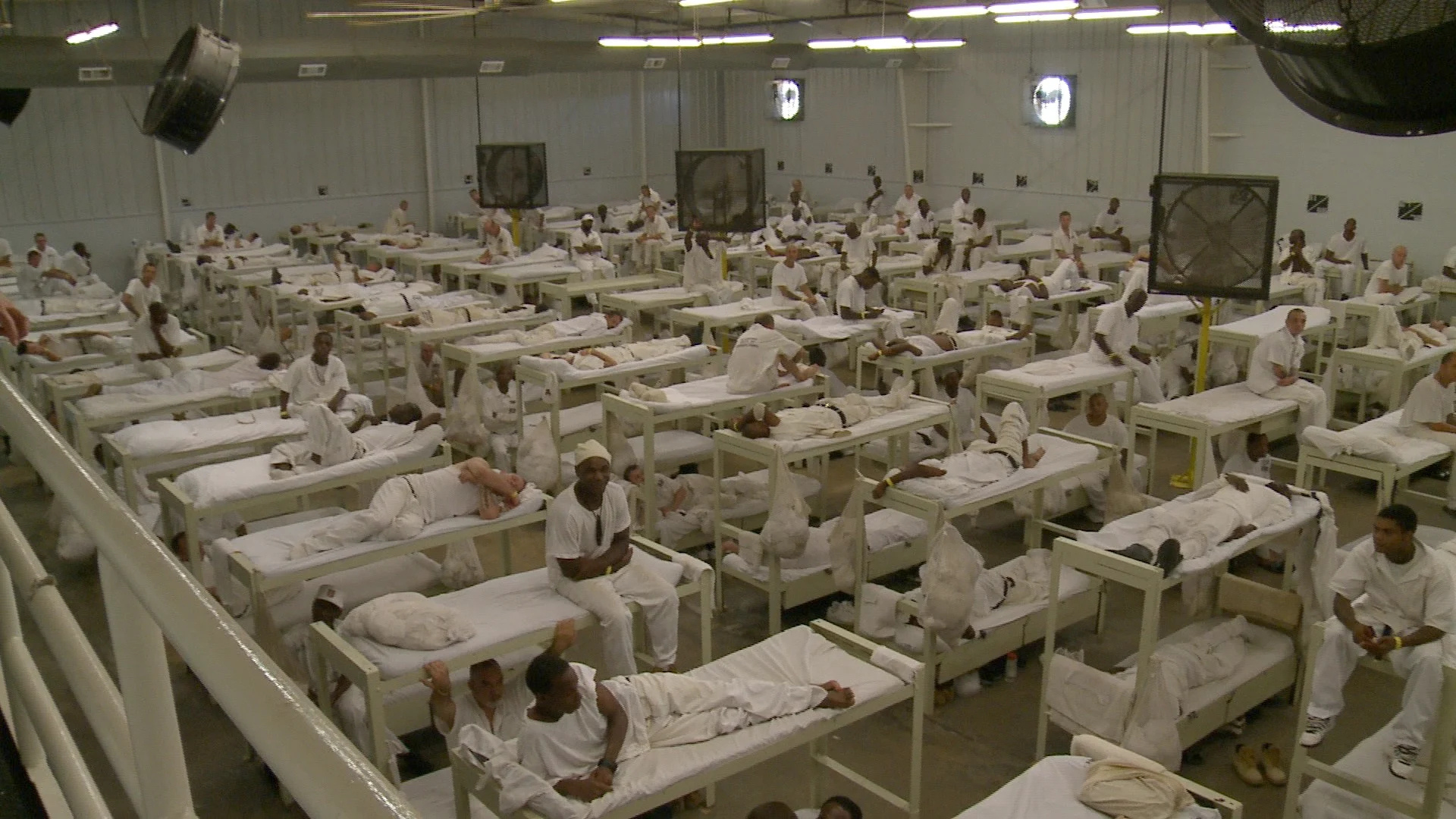
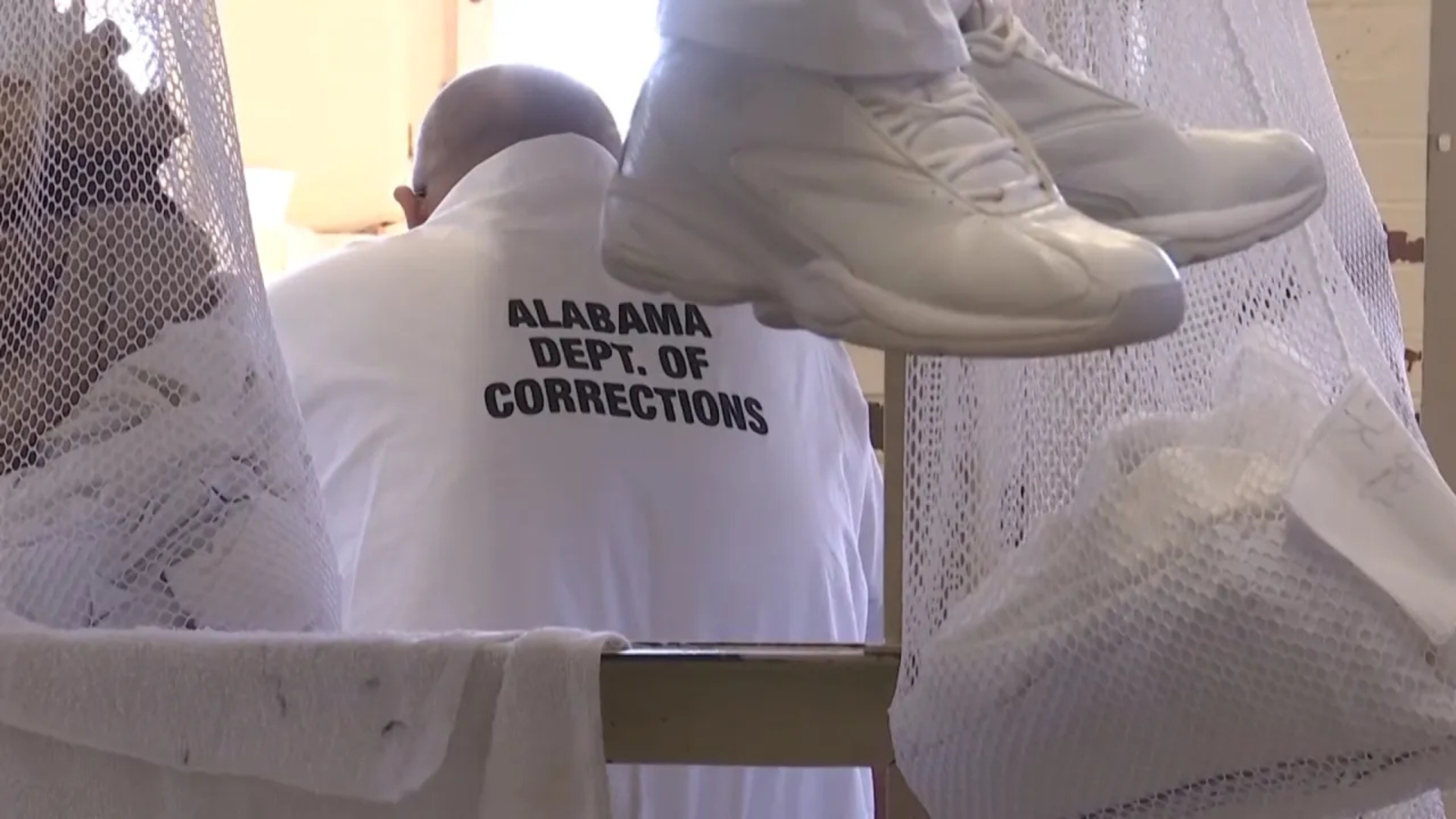
Alabama’s prison system has long been plagued by overcrowding, understaffing, and unchecked brutality. Donaldson Correctional Facility, where Battle was killed, has become a death trap for inmates and a dangerous environment for correctional officers. Battle, who was serving a 20-year sentence for first-degree robbery, became yet another statistic. His death marks the 16th homicide in Alabama prisons in just the past 12 months—half of them occurring at Donaldson or Limestone Correctional Facility.

According to an Equal Justice Initiative report, Alabama prisons lead the nation in homicide rates, with Donaldson being a hotspot for inmate-on-inmate stabbings, gang violence, and retaliation killings. In 2024 alone, 23 inmates lost their lives within its walls, with 28 deaths recorded the previous year—a record high.

Alabama’s prison system is the deadliest in the country. The DOJ sued the state in 2020, citing “excessively high homicide rates” and correctional officers failing to protect inmates from violence. Since then, over 80 men have been murdered behind bars—an average of more than one per month.

This crisis is not new. The U.S. Department of Justice (DOJ) first warned Alabama in 2019 that its prisons were violating the Eighth Amendment’s prohibition on cruel and unusual punishment. Since then, nothing has changed.

A Facility Where Murder Is the Norm

Cordel Battle’s murder is one of many. Just months prior, another inmate, Deandre Roney, was stabbed to death at Donaldson—just 150 days before his scheduled release. In June 2024, four inmates, including Roney, died in a single weekend, with autopsy reports confirming homicide as the cause of death.
 
For Battle’s family, his death is a devastating loss. He was serving a 20-year sentence for a 2013 robbery conviction but was nearing eligibility for release. His friends and loved ones were eagerly awaiting a long-overdue reunion. Now, that moment will never come.
A friend and fellow inmate, Bernard Jemison, mourned Battle’s loss on social media:


“The death yesterday of Cordel Battle hit me hard. We spent a year together at Holman and then here. I can honestly say that I planted some good seeds in his life. He listened to my messages for nearly a year straight. May God strengthen his mom at this time.”

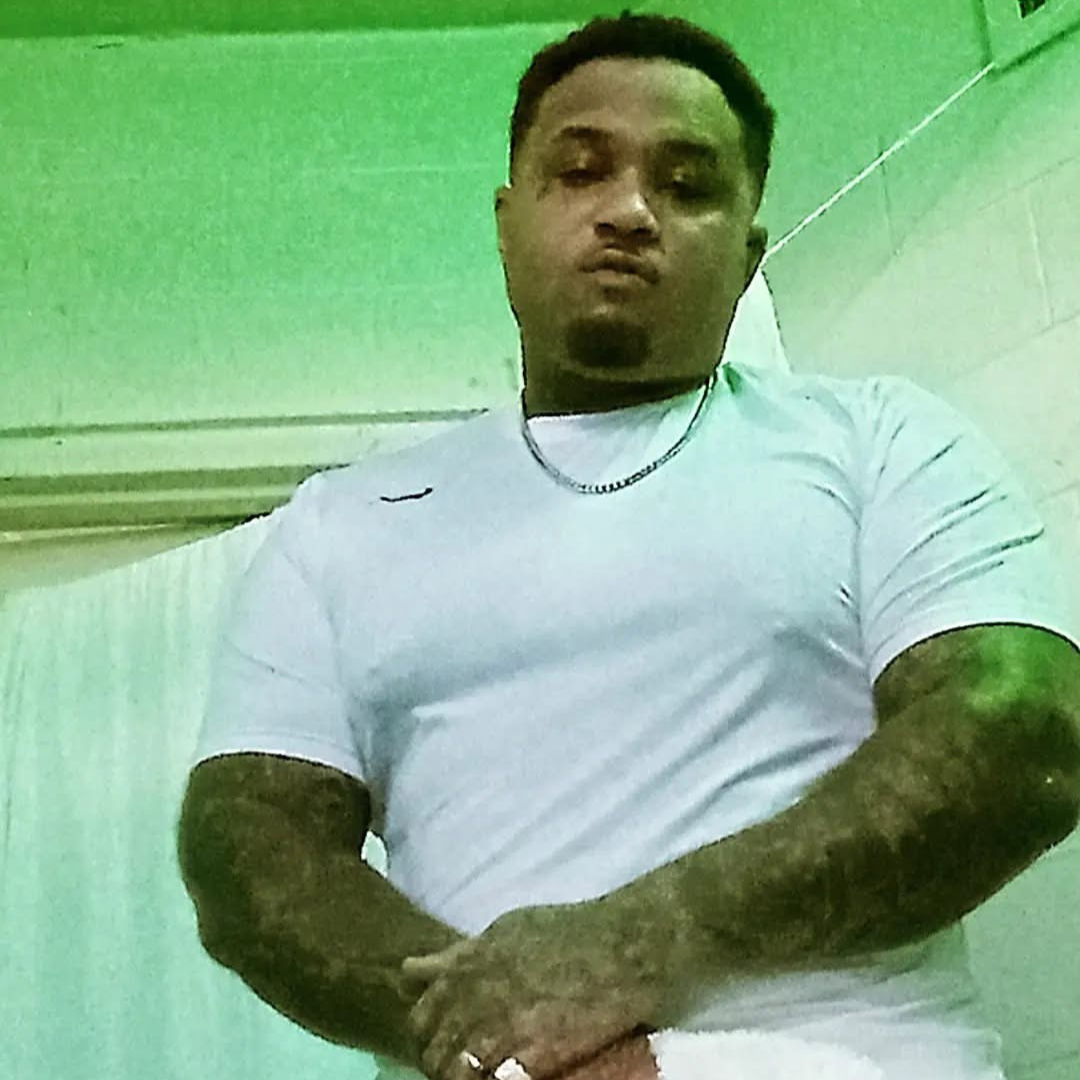
Battle’s celebration of life service will be held on Saturday, February 22, 2025, at Eagles Nest Ministries in Huntsville, Alabama.
 
Battle’s death was preventable. His family was eagerly awaiting his return, Donaldson’s negligence ensured they would never see him again.
 
Families of incarcerated individuals are often ignored when they report threats against their loved ones. Inmates like Albert Trejo begged officers for protection, only to be ignored and later stabbed 24 times. Another inmate, Amir Davis, was left for dead after being attacked in an unsupervised unit—officers never came to his aid.
Cordel Battle - Facebook
One of the most damning revelations about Battle’s murder is that the correctional officer assigned to the South Side unit was seemingly not present when the attack occurred. According to an inside source, Officer Matthew McGrain was missing from his post and failed to respond to emergency calls over the radio. It took more than 20 minutes for help to arrive—Battle was already dead by the time anyone stepped in. McGrain’s absence in a high-risk housing unit is no accident—ADOC is plagued with chronic understaffing, misconduct, and a culture of negligence. Even more troubling, McGrain also seems to have a criminal record, raising questions about how he was still employed at ADOC in the first place. This is not an isolated incident. Officers abandoning posts, failing to respond to life-threatening emergencies, or actively participating in violence are commonplace in Alabama prisons.

Justice Denied: Cover-Ups Instead of Reform

Prison officials have repeatedly covered up murders, often ruling them “natural deaths” or downplaying evidence of abuse. When correctional officers were found responsible for beating an inmate, Steven Davis, to death, the state paid his family $250,000 to settle the lawsuit—while refusing to admit wrongdoing. Meanwhile, officers implicated in excessive force and misconduct remain employed. Two of the officers involved in Davis’ beating death are still working at Donaldson, despite damning evidence that he was stomped on, struck in the head, and left to die.
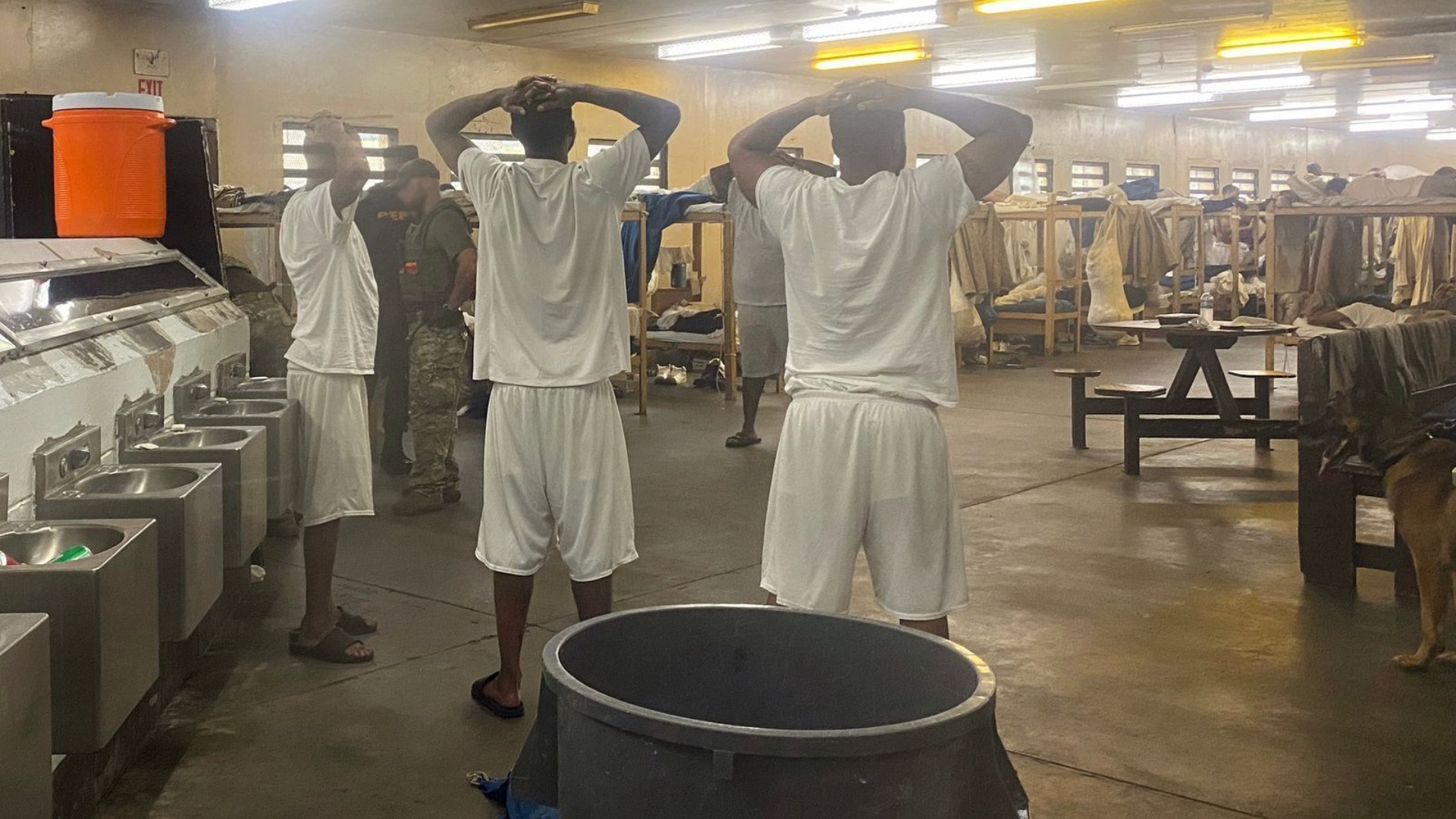
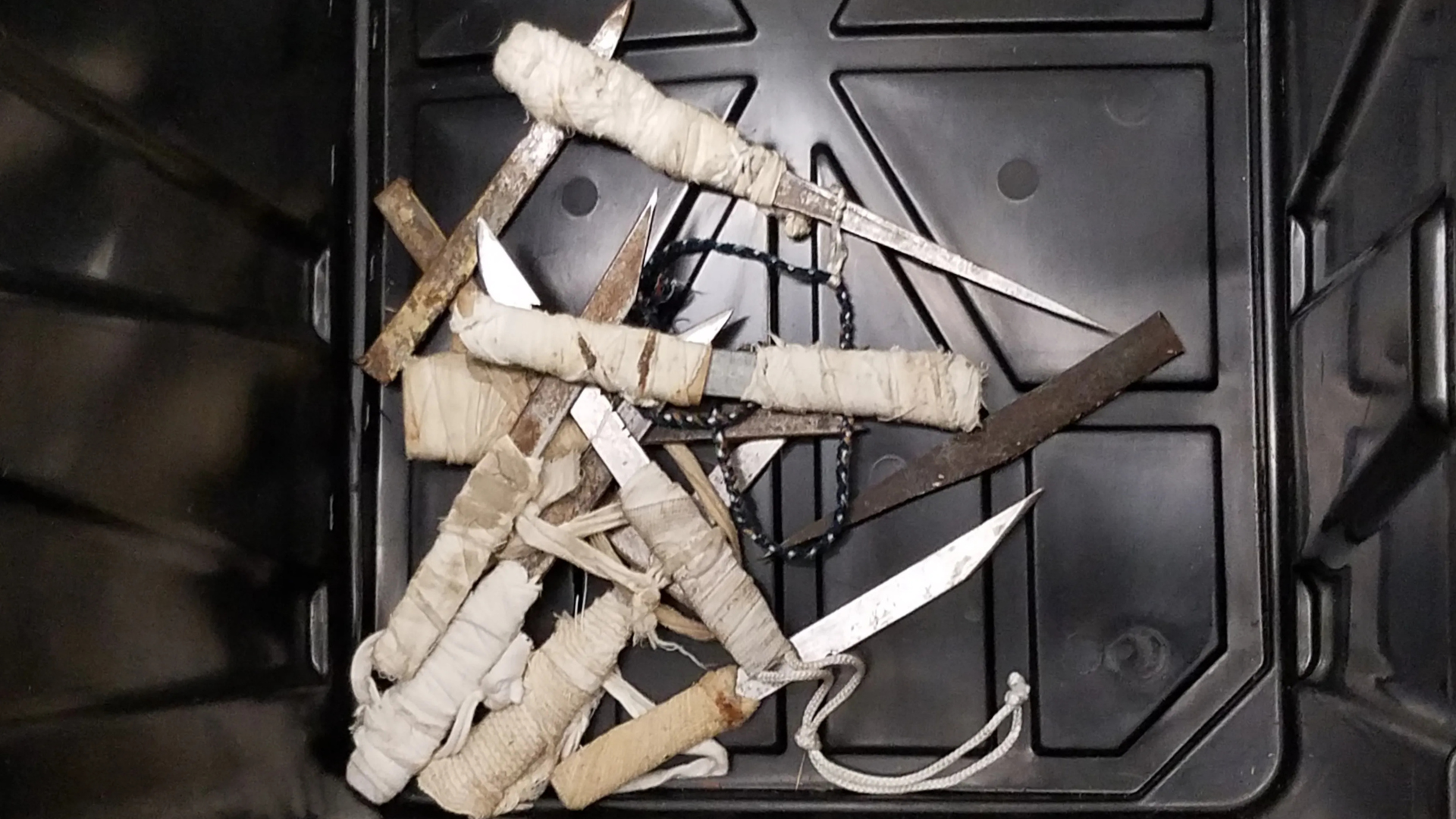
“The DOJ says Alabama prisons are unconstitutional,” said prison reform advocate Eddie Burkhalter. “Yet nothing has changed. People are still being murdered inside, and no one is being held accountable.”
 
ADOC Commissioner John Hamm dismissed concerns about the prison crisis, telling CBS42 that staffing issues and contraband control remain the biggest challenges. Despite federal mandates requiring Alabama to hire 2,000 additional officers, little has changed since the court order was issued seven years ago.
Hamm’s tone-deaf response when confronted about inmate-on-inmate violence was simply, “It’s about graduation today. We know we have violence, but we’re not going to keep dragging it up.”

A Growing Gang Extortion Network

The Alabama prison system has become a breeding ground for criminal enterprises, where officers have lost control, and gangs enforce their own laws. Families of inmates report extortion schemes, where their loved ones are threatened with rape, beatings, or murder unless they pay thousands of dollars. One mother, Latoshia Williams, said her son was stabbed over 60 times, had his fingers severed, and was being extorted to prevent further attacks.

“I’ve lost my home, my business, and spent my parents’ retirement money just to keep my son alive,” she said. “They said they were going to rape him if I didn’t pay. That’s the reality inside Alabama prisons.”
 

A System Under Fire: The “Alabama Solution” Documentary

The crisis in Alabama’s prison system has gained national attention. The Sundance-premiered documentary, “The Alabama Solution,” exposed the horrifying conditions inside these facilities. Inmates used contraband cellphones to secretly record their experiences, revealing forced labor, beatings, drug trafficking, and murders covered up by prison officials.
 
“The state has built a system where inmates live in fear every day,” said Charlotte Kaufman, one of the film’s directors. “And for many, even those serving short sentences, prison is a death sentence.”

The Department of Justice (DOJ) sued Alabama in 2020 after finding the state’s prison conditions violated the Eighth Amendment, which prohibits cruel and unusual punishment. As the DOJ Report states, federal investigators discovered unchecked violence, officers beating inmates to death, and a system designed to exploit prisoners as a cheap labor force.

Alabama’s Multi-Million Dollar Legal Cover-Up

Instead of addressing the extreme violence inside its prisons, Alabama lawmakers continue to pour taxpayer dollars into defending ADOC against lawsuits. In December 2024, lawmakers approved another $4.8 million for Huntsville attorney Bill Lunsford to represent the state in lawsuits alleging civil rights violations inside ADOC facilities. This brings his total payments to over $30 million since 2023.
 
The DOJ lawsuit against Alabama—which seeks to force prison reforms due to extreme violence and inhumane conditions—is expected to go to trial in 2026. However, state officials continue to stall, dragging out legal battles while hundreds of inmates are beaten, stabbed, or killed in Alabama prisons every year.
 

“This is a Crisis”: Lawmakers Call for Immediate Action

State lawmakers and prison reform advocates have been calling for immediate intervention to prevent more deaths like Battle’s. Rep. Chris England, a leading voice on the Joint Prison Oversight Committee, said Alabama’s parole system is broken, and the state is failing to protect its incarcerated population.

“These conditions are unconstitutionally inhumane. The system is in 100% full-on crisis mode.”

Yet, key Alabama leaders—Gov. Kay Ivey, Attorney General Steve Marshall, and ADOC Commissioner John Hamm—have repeatedly skipped oversight meetings, avoiding direct accountability for the ongoing crisis.
 

A $1 Billion Band-Aid: Lawmakers Push for More Prison Construction Instead of Reform

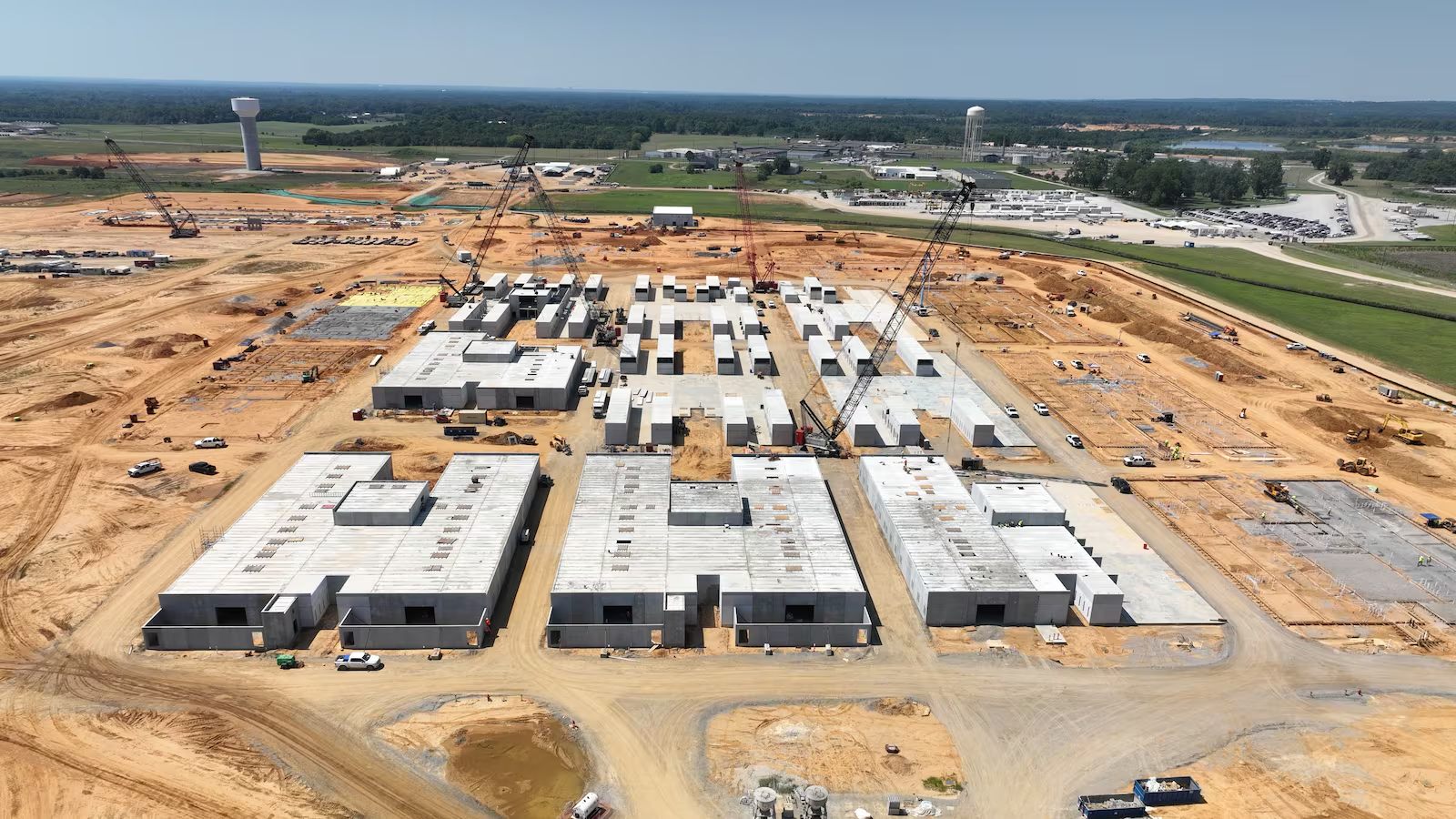
Rather than fixing the root issues—understaffing, officer corruption, gang control, and medical neglect—Alabama officials are now pushing a $1.3 billion plan to build two new “mega prisons”. One of these massive 4,000-bed facilities is currently under construction in Elmore County, to be named the Governor Kay Ivey Correctional Complex, but lawmakers are already requesting an additional $500 million to complete a second prison in Escambia County. The cost of building one prison, and the medical and mental health facilities that accompany it, rose to more than $1 billion, jeopardizing plans to build the second facility. Albritton said the state has enough money to start but not finish the second facility.
 
Critics argue that new buildings will not fix Alabama’s broken prison system. The DOJ explicitly warned that simply adding more beds to a failing system will not solve staffing shortages, excessive violence, or rampant contraband operations. The Justice Department noted in a 2019 report that dilapidated conditions were a contributing factor to what it called unconstitutional conditions but emphasized that, “new facilities alone will not resolve the contributing factors to the overall unconstitutional condition of ADOC prisons, such as understaffing, culture, management deficiencies, corruption, policies, training, non-existent investigations, violence, illicit drugs, and sexual abuse.”

Alabama Corrections Commissioner John Hamm has likened the new $1 billion facility to a small city because it has 54 buildings over 335 acres to house inmates and provide medical, mental health and substance abuse treatment.
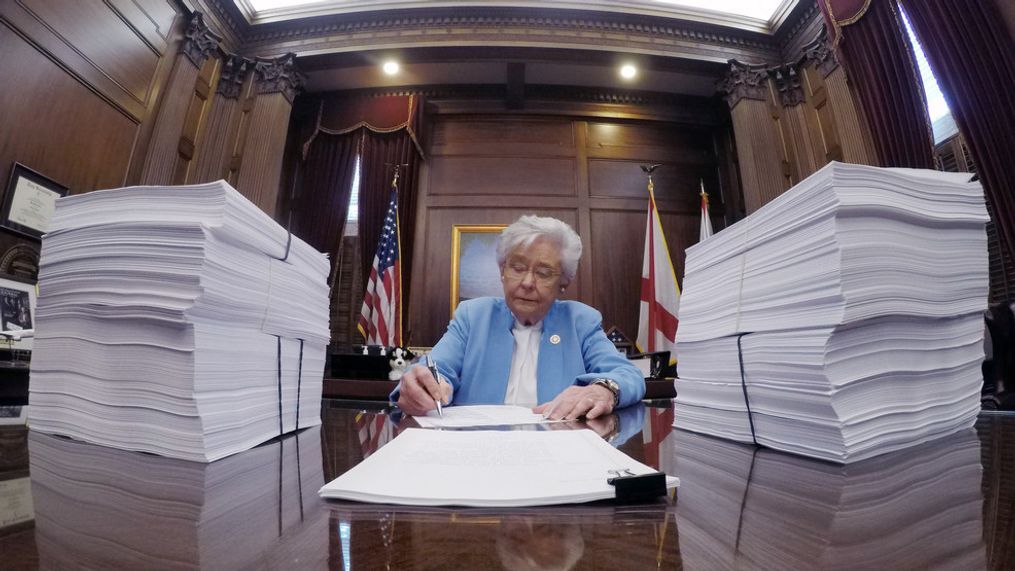
Governor Ivey signs lease agreements for Alabama Prison Program (Governor's office)
The Governor Kay Ivey Correctional Complex // ADOC Flickr

A Call for Action: When Will Alabama Address Its Prison Crisis?

The Alabama Joint Prison Oversight Committee continues to hold hearings, where families of incarcerated individuals beg lawmakers to intervene. However, key state leaders—including Gov. Kay Ivey, Attorney General Steve Marshall, and ADOC Commissioner John Hamm—have repeatedly failed to attend meetings, despite mounting pressure. Rep. Chris England, a member of the committee, has called for a complete overhaul of the Alabama prison system, stating, “The system is fundamentally broken. This is a crisis.”

For Battle’s family, and for the families of the 80+ men murdered in Alabama prisons in the past six years, the lack of urgency from the state is unacceptable and should serve as a wake-up call. Without significant reforms, Donaldson and other Alabama prisons will continue to be a slaughterhouse where officers look the other way, and inmates serve sentences that extend beyond prison walls—to their graves.
 
Instead of hiring officers, addressing gang control, and preventing abuse, Alabama lawmakers are spending millions on lawsuits, stalling court cases, and building new mega-prisons in the name of Gov. Kay Ivey, while people are dying in the ones they already own and “operate”. Until Alabama takes real action, more families will face the same heartbreaking loss Battle’s loved ones are now faced to endure.

Copyright 2026 Blunt Force Media Group, LLC. All rights reserved. This material may not be published, broadcast, rewritten, or redistributed.

Share this article

TIPS AND INFORMATION REPORTING GUIDELINES

Blunt Force Media Group is committed to providing a safe and confidential platform for individuals to report tips and information related to criminal activities. To ensure the integrity and effectiveness of our tip submission process, we have established the following policy:

Confidentiality and Anonymity

Confidentiality 
We take the confidentiality of our tipsters seriously. Personal information provided will be kept confidential and will not be shared without explicit consent, except as required by law.

Anonymity
If you wish to remain anonymous, you may do so. Please be aware that maintaining complete anonymity may limit our ability to follow up for additional information or clarification.

Accuracy and Detail

Provide Specific Information
To assist in the investigation, please provide as much detailed and specific information as possible, including names, dates, locations, and descriptions of the criminal activity.

Supporting Evidence
If available, please include any supporting evidence, such as photographs, documents, or recordings. Ensure that any evidence submitted does not contain malware or other harmful software.

Legal Compliance

False Reporting
Submitting false information or intentionally misleading tips is a criminal offense and may be subject to legal action. We take the accuracy of the information seriously to protect the integrity of our investigations.

Mandatory Reporting
Certain types of information, such as those involving child abuse or imminent threats to safety, may require us to report to appropriate authorities as mandated by law

Submission Methods

Online Form
Tips can be submitted through our secure online form available on our website. Ensure all required fields are completed accurately.

Phone
Tips can also be submitted via our hotline for specific cases. When a hotline for a case is established, callers will speak to a live representative who will collect the information and submit it to the appropriate jurisdiction to investigate the lead. Calls are recorded for quality and verification purposes.

Mail
For those preferring traditional methods, tips cannot be mailed to our postal address and will not be accepted.

Follow-Up and Feedback

Acknowledgment
Upon submission, you will receive a reference number for your tip. Keep this number for any future correspondence regarding the tip.

Follow-Up
We may contact you for additional information if you have provided contact details. If you wish to remain anonymous, ensure your initial submission is as comprehensive as possible.

Feedback
While we cannot provide detailed feedback on ongoing investigations, we value your contribution and will do our best to acknowledge receipt and update you where appropriate.

Data Protection

Data Security
We employ robust security measures to protect the data submitted through our platform. All information is stored securely and accessed only by authorized personnel.

Retention Policy
Information provided will be retained for as long as necessary to fulfill the purposes outlined in this policy and comply with legal requirements.

Disclaimer

No Liability
Blunt Force Media Group is not liable for any consequences resulting from the submission of tips. By submitting information, you acknowledge that you have read, understood, and agree to this policy.

Contact Us

For any legal questions or concerns regarding this policy or others, please contact us at: Email: legal@bluntforcemedia.com