

|
Getting your Trinity Audio player ready...
|
SALT LAKE CITY (BFMG) — A Utah judge said he will rule Monday on whether prosecutors in the Charlie Kirk murder case should be sanctioned for comments they made to reporters about a bullet fragment recovered from the conservative activist’s body, a dispute that has now spilled into a fight over the death penalty.
Attorneys for defendant Tyler Robinson have asked Judge Tony Graf to bar prosecutors from seeking capital punishment, arguing that public statements about the ballistics evidence risk tainting the jury pool in a case already saturated with media coverage and conspiracy theories.
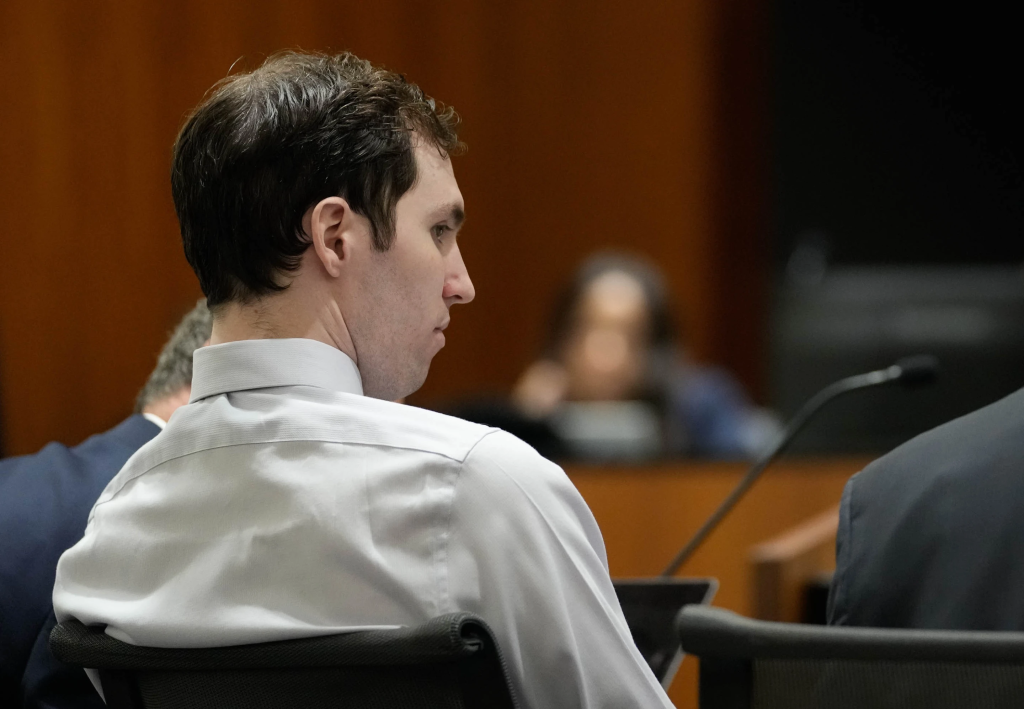
Robinson, 23, is charged with aggravated murder in the Sept. 10 killing of Kirk, a close ally of President Donald Trump who was shot in the neck while addressing thousands at Utah Valley University. Prosecutors have said they intend to pursue the death penalty if Robinson is convicted.
The defense moved to sanction members of the Utah County Attorney’s Office after they spoke to news outlets about testing on a bullet fragment taken from Kirk’s body. Those interviews followed defense disclosures that initial ballistics tests were inconclusive as to whether the fragment came from the suspected murder weapon.
Prosecutors have said they were compelled to address the issue publicly to counter speculation and misinformation circulating in some media and online. Questions about the inconclusive testing fueled unsupported theories that a second shooter may have been involved or that Kirk’s killing was staged, raising fears on both sides about how pretrial publicity could influence potential jurors.
At a hearing last week, Robinson’s lawyers accused Deputy Utah County Attorney Christopher Ballard and others of going on a “media tour” to shape public opinion about the evidence. They contend that such conduct violates court orders and ethical rules, and that an appropriate sanction would be to take the death penalty off the table.
Ballard told the court he did not discuss case specifics with reporters and said he only offered general comments about the nature of ballistics testing and the possibility of inconclusive results. Prosecutors maintain they have complied with their obligations while attempting to correct speculation they say the defense helped trigger by talking publicly about the initial lab findings.
Criminal law experts say it would be highly unusual for a judge to grant the defense request to block capital punishment over pretrial comments alone. University of Utah law professor Paul Cassell said concerns about pretrial publicity can typically be addressed through careful jury selection, including detailed questioning of prospective jurors about what they have seen or heard and whether they can set that aside.
Cassell characterized the defense strategy as an aggressive but not unheard-of attempt to shift focus away from Robinson’s alleged culpability. Defense counsel, he said, often seek remedies that limit the state’s leverage, even if those remedies are rarely granted.
Robinson has not yet entered a plea in the case. A key evidentiary hearing is set for July 6-10, when prosecutors must demonstrate they have enough evidence to proceed to trial. That proceeding is expected to feature further scrutiny of the ballistics work, as well as other forensic and eyewitness evidence tied to the shooting.
Judge Graf’s forthcoming ruling on sanctions will help determine how sharply he is willing to police public statements as the high-profile case moves forward — and whether the prosecutors’ media strategy will have any impact on the state’s ability to pursue the death penalty.




















